


Story Highlights
- House Republicans introduced a bill banning TikTok on all federal devices.
- Lawmakers warn the app poses national security risks.
- Democrats say data privacy concerns deserve bipartisan action.
What Happened
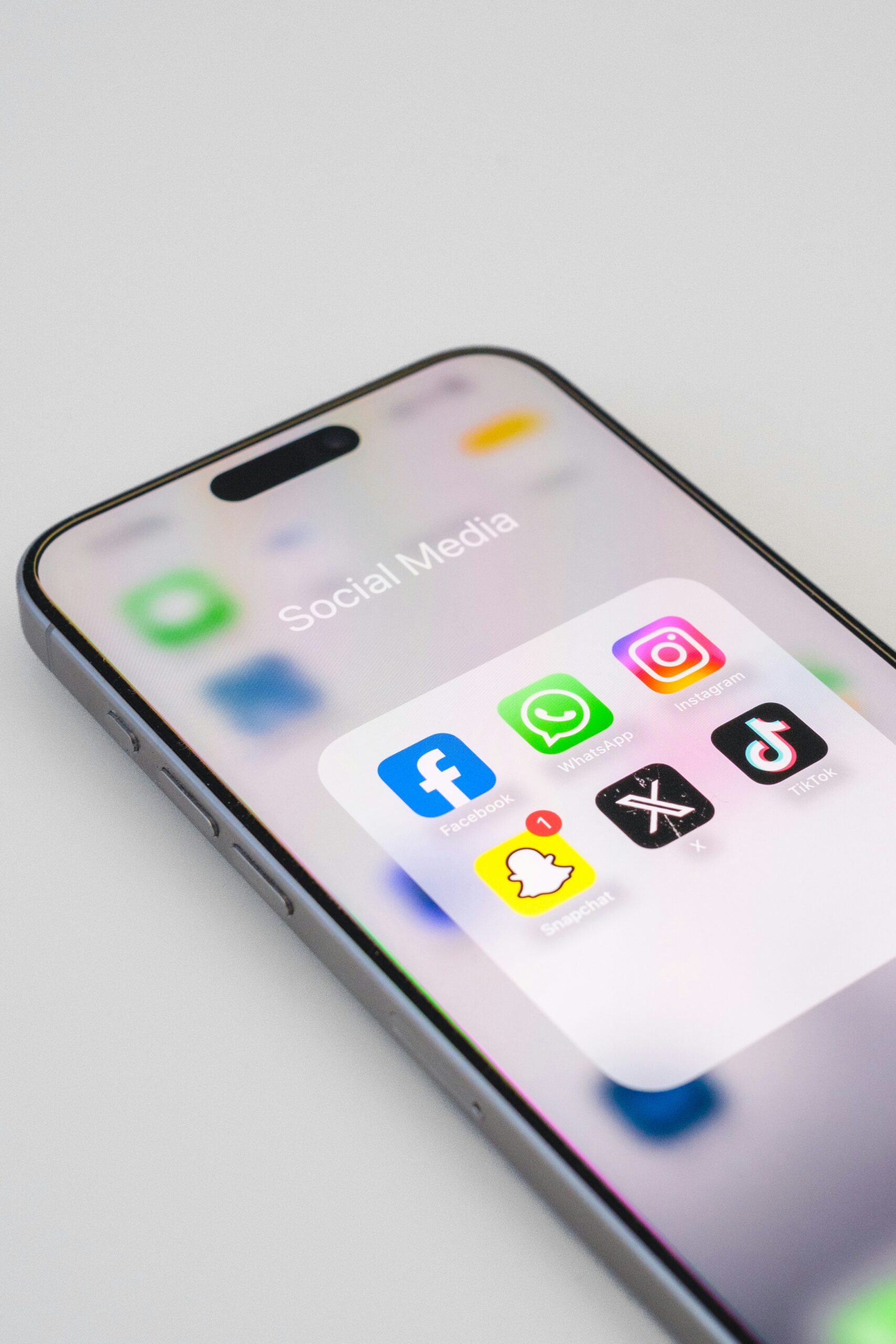
House Republicans on Monday advanced legislation to ban TikTok from all federal government devices, citing serious national security concerns tied to the app’s Chinese ownership.
Lawmakers argue TikTok’s parent company, ByteDance, could be compelled by the Chinese Communist Party to share user data or manipulate content seen by Americans. GOP leaders say federal employees should not have a foreign-controlled app on government-issued phones or computers.
House Intelligence Committee members said classified briefings confirmed vulnerabilities in data security and warned that China could use TikTok to conduct surveillance or influence campaigns.
Several federal agencies already prohibit TikTok use, but Republicans want to codify the ban into law.
Democrats agreed data security risks exist but criticized Republicans for politicizing the issue rather than passing comprehensive privacy legislation.
Why It Matters
Republicans Stress National Security
GOP leaders argue the issue goes beyond social media trends.
Republicans say:
- China poses a cyber threat
- Data harvesting endangers officials
- Foreign influence must be blocked
- Federal systems must stay secure
Conservatives compare TikTok to Huawei and other Chinese tech firms restricted for security reasons.
They argue allowing TikTok on government devices is reckless.
Democrats Call for Broader Privacy Reform
Democrats say banning TikTok alone is not enough.
They argue:
- All tech firms collect data
- Congress must pass privacy laws
- Americans deserve protections
- Cybersecurity should be bipartisan
Republicans counter that immediate action is needed when threats are clear.
Broader Implications
The TikTok ban reflects growing bipartisan concern about China’s influence.
Republicans plan to campaign on national security and tech independence.
If passed, the law could expand to state and local governments.
For conservatives, the message is firm:
foreign adversaries should not access U.S. data.