Story Highlights
- Trump indicates Iran conflict may conclude soon
- Confidence in reopening global oil routes
- Markets respond to signs of de-escalation
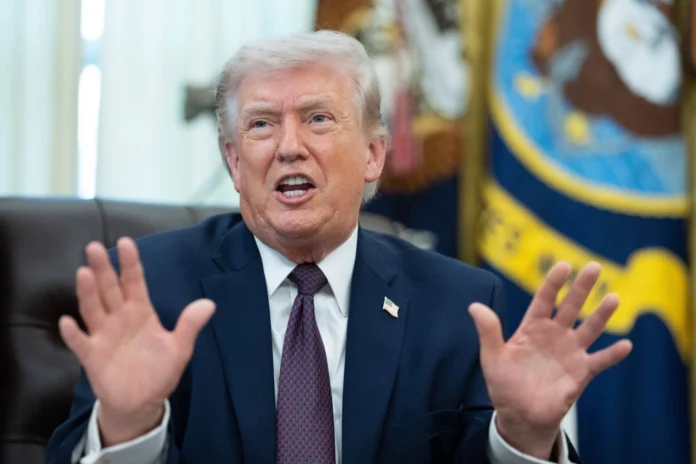
Donald Trump has indicated that the conflict involving Iran may be approaching a near-term resolution, expressing confidence that recent developments have shifted the situation significantly. His remarks suggest that sustained U.S. actions have created conditions for a potential end to active conflict. At a time when global markets remain sensitive to geopolitical instability, such signals are closely watched.
The Strait of Hormuz remains central to this development. As one of the most critical oil transit routes in the world, any disruption has immediate global consequences. Trump’s indication that stability may return—and that normal operations could resume—has contributed to a more optimistic outlook among investors and policymakers.
Market response reflects the close link between geopolitics and economics. Energy prices are highly sensitive to developments in the Middle East. Even small changes in perceived risk can influence market behavior. By signaling a possible resolution, Trump’s comments have helped reduce uncertainty, supporting broader economic confidence.
From a strategic standpoint, the narrative emphasizes a results-driven approach. The focus is on achieving objectives efficiently rather than maintaining prolonged involvement. This approach prioritizes measurable outcomes while maintaining flexibility in response to changing conditions.
The potential reopening of the Strait of Hormuz is particularly significant. Stability in this corridor would support global trade, reduce supply concerns, and contribute to more predictable energy pricing. This would benefit both developed and emerging economies that depend on stable energy flows.
Geopolitically, a reduction in tensions could shift regional dynamics. It may open the door for renewed diplomatic engagement while also prompting adjustments in strategic positioning among key players. The situation represents both a potential conclusion to current tensions and a transition into a new phase.
Trump’s remarks also serve as strategic communication. Public messaging influences perception, market behavior, and policy expectations. By projecting confidence, the narrative shapes how the situation is interpreted globally.
Domestically, the development may contribute to discussions around foreign policy efficiency and strategic priorities. However, while the outlook is optimistic, long-term tensions are likely to persist, meaning continued engagement will remain necessary.
Implications
If the conflict moves toward resolution, it could reduce volatility in global energy markets and support economic stability. More broadly, it highlights the importance of clear strategic objectives and controlled engagement in managing complex geopolitical situations.

