Story Highlights
- Trump intensifies pressure to drive Iran into negotiations
- Strategy combines deadlines, warnings, and military readiness
- Focus on achieving diplomatic outcomes through leverage
What Happened
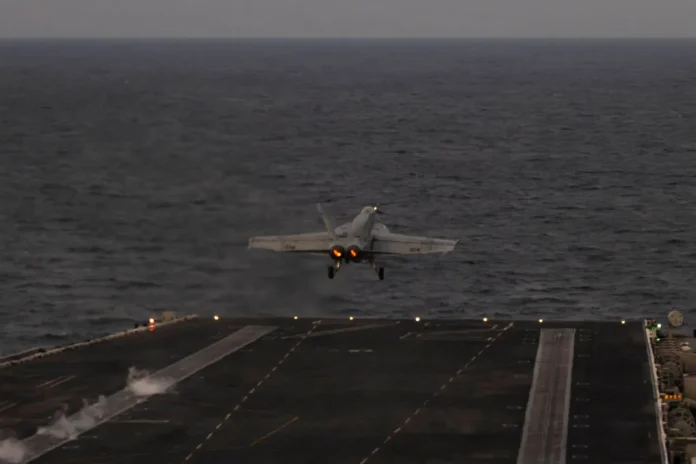
President Donald Trump has intensified the use of pressure tactics in an effort to push Iran toward negotiations, signaling that the current strategy is designed not just to deter but to compel diplomatic engagement. The administration continues to combine firm deadlines, direct warnings, and visible military readiness to create a sense of urgency.
Officials familiar with the approach indicate that the goal is to shift the balance of decision-making for Iran, making negotiation the most viable option. By increasing pressure across multiple fronts—economic, political, and strategic—the United States aims to create conditions where dialogue becomes necessary rather than optional.
Trump’s messaging has remained consistent, emphasizing that while diplomacy is preferred, it must occur under terms that ensure stability and security. The administration believes that without sufficient leverage, negotiations may not yield meaningful outcomes. Therefore, pressure is being used as a tool to strengthen the U.S. position at the negotiating table.
At the same time, diplomatic channels remain open. The administration has not ruled out engagement but has made it clear that any discussions will take place within the framework established by its current strategy. This dual approach—pressure combined with openness to dialogue—is central to the administration’s plan.
Why It Matters
Pressure tactics are a common element of international negotiation strategies. By increasing the cost of non-compliance, governments attempt to influence behavior and create incentives for dialogue. In this case, the approach is designed to accelerate the timeline for potential negotiations.
However, the effectiveness of such tactics depends on execution and perception. If the pressure is seen as credible and manageable, it may lead to engagement. If it is perceived as excessive or inflexible, it could result in resistance or escalation.
The situation also highlights the broader role of leverage in diplomacy. Negotiations are rarely conducted in a vacuum; they are shaped by the relative positions of the parties involved. By strengthening its leverage, the United States aims to shape the outcome of any potential discussions.
Political and Geopolitical Impact
Domestically, the strategy reinforces a narrative of proactive leadership and strategic control. It demonstrates a willingness to use multiple tools to achieve policy objectives, which may resonate with supporters who favor a strong approach to international relations.
Internationally, reactions are varied. Some allies may support the use of pressure as a means of achieving stability, while others may express concern about the potential for escalation. The approach requires careful coordination with partners to ensure that broader objectives are aligned.
The strategy also affects regional dynamics, as neighboring countries assess how increased pressure may impact their own security and economic interests. The potential for negotiations introduces a new variable, as outcomes could reshape relationships and influence future policy decisions.
Implications
If the pressure tactics succeed, they could lead to renewed negotiations and a potential de-escalation of tensions. A diplomatic outcome would likely stabilize markets and reduce geopolitical risk, benefiting both regional and global stakeholders.
However, if the approach fails to produce engagement, it could lead to prolonged tension or further escalation. The risk lies in the possibility that increased pressure may harden positions rather than encourage dialogue.
In the long term, the situation may influence how pressure tactics are used in future diplomatic efforts. It highlights the importance of balancing strength with flexibility, ensuring that strategies are adaptable to changing conditions.
Ultimately, the administration’s approach reflects a belief that leverage is essential to achieving meaningful diplomatic outcomes, even in complex and high-stakes situations.

