Story Highlights
- Ceasefire reduces immediate conflict risk but uncertainty persists
- Regional tensions continue beneath surface-level stability
- Global stakeholders remain cautious about long-term outcomes
What Happened
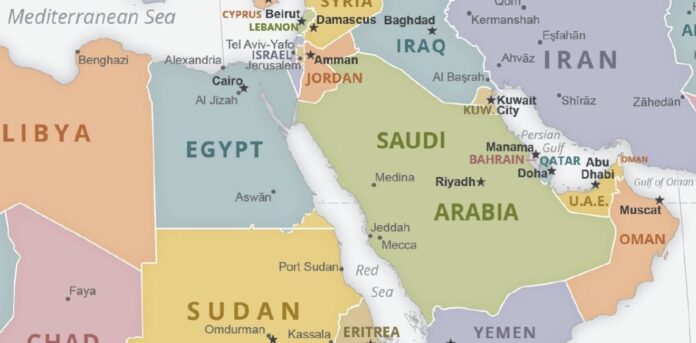
Despite the announcement of a temporary ceasefire between the United States and Iran, uncertainty continues to shape the broader regional landscape. While the agreement has helped reduce the immediate risk of escalation, underlying tensions in the Middle East remain unresolved. Various regional dynamics, including ongoing conflicts, political rivalries, and security concerns, continue to influence the overall situation.
In the days following the ceasefire, there has been a noticeable reduction in immediate hostilities, with fewer reports of direct confrontations. This has contributed to a sense of short-term stability, allowing governments and markets to regain some level of confidence. However, analysts emphasize that this stability is fragile and dependent on continued restraint and engagement from all parties involved.
Several countries in the region have responded by maintaining a cautious approach, balancing optimism with preparedness. Military readiness levels remain elevated in certain areas, reflecting the possibility that tensions could resurface. Diplomatic efforts are ongoing, with multiple stakeholders encouraging dialogue and cooperation as a means of building on the current pause.
International observers have also noted that the ceasefire does not address many of the core issues that contributed to the escalation. These include long-standing political disagreements, security concerns, and competing regional interests. As a result, the agreement is widely viewed as a temporary measure rather than a comprehensive solution.
Why It Matters
The continued uncertainty is significant because it highlights the limitations of short-term agreements in resolving complex geopolitical challenges. While ceasefires can reduce immediate risks, they often leave deeper issues unaddressed. Understanding this distinction is essential for accurately assessing the situation and planning for the future.
The Middle East plays a critical role in global stability, particularly in terms of energy supply and trade. Ongoing uncertainty in the region can have far-reaching effects, influencing markets, economic conditions, and international relations. Even in the absence of active conflict, the possibility of escalation can create volatility and caution.
The situation also underscores the importance of sustained diplomatic engagement. Temporary pauses in conflict provide opportunities for negotiation, but achieving lasting stability requires continued effort and commitment. Without follow-through, the benefits of such agreements may be limited.
Additionally, the current developments highlight the need for comprehensive approaches to conflict resolution. Addressing only immediate concerns may not be sufficient to prevent future tensions. A broader strategy that considers multiple factors and stakeholders is often necessary.
Political and Geopolitical Impact
Regionally, the uncertainty is influencing how countries approach their security and diplomatic strategies. Governments are likely to remain vigilant, preparing for various scenarios while also exploring opportunities for dialogue. This dual approach reflects the complexity of navigating a situation that is both improving and uncertain.
For global powers, the situation presents both challenges and opportunities. On one hand, the ceasefire reduces immediate risks, allowing for a more stable environment. On the other hand, the lack of a long-term solution means that engagement and oversight will remain necessary.
The ongoing uncertainty may also shape alliances and partnerships within the region. Countries may reassess their relationships and strategies in response to evolving conditions, potentially leading to shifts in geopolitical dynamics.
International organizations and diplomatic networks continue to play a role in monitoring the situation and encouraging cooperation. Their involvement can help facilitate communication and support efforts aimed at achieving more lasting outcomes.
Implications
If the ceasefire leads to further negotiations and progress, it could eventually contribute to greater stability in the region. Building on the current pause would require addressing underlying issues and developing comprehensive agreements that involve multiple stakeholders.
However, if tensions persist without meaningful progress, the risk of renewed escalation remains. This could lead to increased volatility in global markets and renewed concerns about security and stability.
In the long term, the situation highlights the importance of resilience and adaptability in both policy and planning. Governments and organizations must be prepared to respond to changing conditions while also working toward more sustainable solutions. The current developments serve as a reminder that stability is often a gradual process requiring continuous effort.

