Story Highlights
- Ceasefire prompts increased international diplomatic activity
- Multiple countries engage in follow-up discussions
- Momentum builds toward coordinated global response
What Happened
The ceasefire between the United States and Iran has sparked a wave of diplomatic activity across the international community, with multiple countries stepping in to support continued dialogue. Following the agreement, global leaders and institutions have increased engagement, seeking to build on the momentum created by the pause in hostilities.
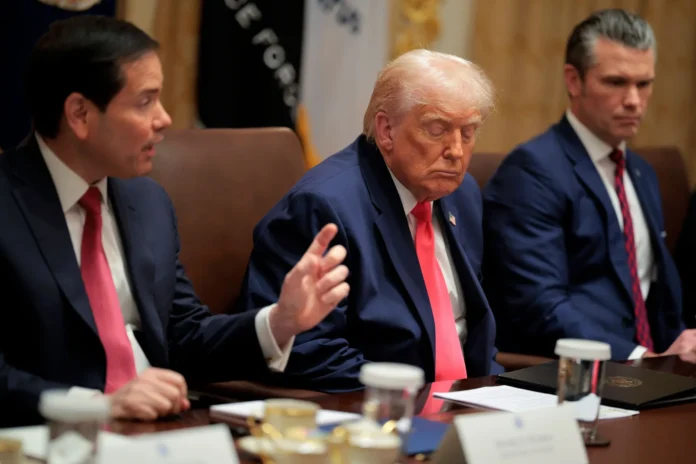
President Donald Trump’s intervention played a key role in initiating this shift. By facilitating the ceasefire at a critical moment, the situation moved from immediate crisis toward broader diplomatic involvement. Countries that had been monitoring the escalation are now actively participating in discussions aimed at maintaining stability and encouraging further negotiations.
This expanded engagement includes consultations between allied nations, as well as outreach to regional stakeholders. The goal is to create a more coordinated approach to managing the situation, ensuring that efforts are aligned and that progress is sustained. International organizations have also expressed support for continued dialogue, emphasizing the importance of cooperation.
The development reflects a transition from bilateral tension to a more multilateral process. As additional actors become involved, the scope of discussions broadens, introducing new perspectives and potential solutions. While this increases complexity, it also creates opportunities for more comprehensive outcomes.
Why It Matters
The increase in global diplomatic engagement is significant because it enhances the potential for lasting stability. When multiple countries and organizations are involved, there is a greater capacity to address different aspects of a conflict and support sustained efforts toward resolution.
The situation also highlights the importance of momentum in diplomacy. Initial agreements, such as ceasefires, can serve as catalysts for broader engagement. Building on these moments can help maintain progress and prevent a return to escalation.
Additionally, the involvement of multiple stakeholders can contribute to greater legitimacy and support for any agreements reached. When outcomes are backed by a wider international community, they are often more durable and effective.
The development also underscores the interconnected nature of global challenges. Issues in one region can have implications worldwide, making coordinated responses an essential part of managing such situations.
Political and Geopolitical Impact
Geopolitically, the shift toward broader engagement may influence how the situation evolves. Increased involvement from global actors can help distribute responsibility and create a more balanced approach to negotiations.
For the United States, the development reinforces its role in initiating and shaping international responses. Being at the center of this process enhances its influence and ability to guide discussions.
Other countries may use this opportunity to strengthen their own diplomatic roles, contributing to a more collaborative environment. This could lead to new partnerships and alignments within the international community.
Regionally, the involvement of multiple stakeholders may encourage greater cooperation among countries in the Middle East. While challenges remain, the expanded engagement provides a platform for dialogue and potential progress.
Implications
If the current level of diplomatic engagement is sustained, it could lead to more comprehensive agreements that address a wider range of issues. The involvement of multiple stakeholders increases the potential for innovative solutions and coordinated action.
However, the process also presents challenges, including the need to manage differing interests and priorities. Ensuring effective coordination will be essential for maintaining progress and avoiding complications.
In the long term, the situation highlights the value of multilateral approaches in addressing complex global issues. By working together, countries can enhance their ability to manage risks and achieve more stable outcomes. The coming weeks will be critical in determining how this expanded engagement shapes the future of the region.
Sources
“Global leaders respond to Trump-led Iran ceasefire with increased diplomacy”

