Story Highlights
- Global leaders express caution over ceasefire durability
- Concerns grow about compliance and enforcement
- Calls increase for sustained diplomatic engagement
What Happened
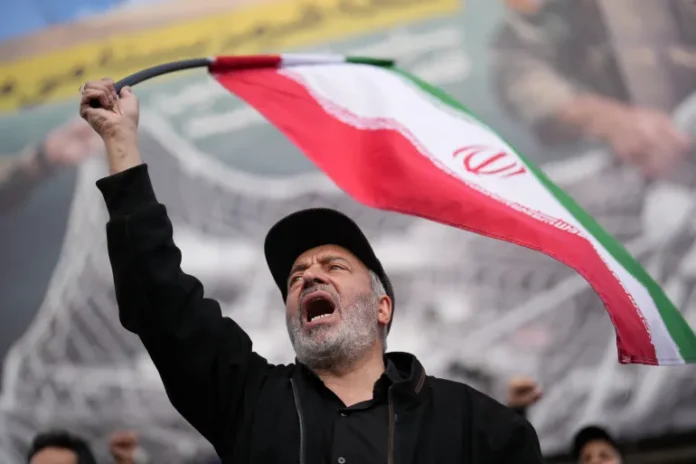
International leaders have expressed growing caution regarding the durability of the recent ceasefire between the United States and Iran, warning that the agreement may not hold without continued effort and coordination. While the ceasefire has reduced immediate tensions, officials from multiple countries have emphasized that the situation remains fragile.
Statements from global leaders highlight concerns about compliance, enforcement, and the potential for misunderstandings between the parties involved. The emergence of disputes and ongoing regional tensions has reinforced the perception that the ceasefire is only a temporary measure rather than a comprehensive solution.
Diplomatic channels remain active, with countries encouraging both sides to engage constructively and avoid actions that could undermine the agreement. International organizations have also called for restraint, stressing the importance of maintaining stability during this critical period.
The broader context includes ongoing developments in the region, including localized conflicts and differing interpretations of the ceasefire’s terms. These factors contribute to an environment of uncertainty, where progress depends on careful management and sustained engagement.
Why It Matters
The caution expressed by international leaders is significant because it highlights the challenges of maintaining stability after an initial agreement. Ceasefires can reduce immediate risks, but their success depends on consistent adherence and effective communication.
The situation also underscores the importance of global involvement in managing complex conflicts. When multiple countries are engaged, there is a greater capacity to support agreements and address potential issues. This collaborative approach can help strengthen stability.
Additionally, the development reflects the limitations of short-term solutions. While the ceasefire provides a pause, it does not resolve underlying issues. Achieving lasting peace requires ongoing effort and comprehensive strategies.
The issue also demonstrates how quickly uncertainty can re-emerge, even after positive developments. Maintaining momentum is essential to prevent setbacks and ensure continued progress.
Political and Geopolitical Impact
Geopolitically, the warnings from international leaders may influence how the situation evolves. Increased attention and involvement from global actors can help reinforce the importance of maintaining the ceasefire and encourage constructive behavior.
For the United States and Iran, the caution serves as a reminder of the need for careful management of the agreement. Both sides may face pressure to demonstrate commitment and avoid actions that could escalate tensions.
Regionally, the uncertainty may affect how other countries approach their own strategies. Governments are likely to remain cautious, balancing optimism with preparedness as they monitor developments.
The situation also highlights the role of international organizations in supporting stability. Their involvement can facilitate communication and provide frameworks for managing disputes.
Implications
If the ceasefire is maintained and strengthened through continued diplomatic engagement, it could lead to more comprehensive agreements and improved stability in the region. The involvement of global actors may support this process.
However, if concerns about compliance and enforcement are not addressed, the agreement could weaken, increasing the risk of renewed tensions. This would highlight the importance of follow-through in diplomatic efforts.
In the long term, the situation emphasizes the need for sustained and coordinated approaches to conflict resolution. Building on initial progress requires ongoing commitment and the ability to address challenges as they arise. The coming weeks will be critical in determining whether the ceasefire can evolve into a more durable solution.

