Story Highlights
-
U.S. retail growth remains steady across major sectors.
-
Consumer demand continues to support both physical and online sales.
-
Analysts say retail stability reinforces overall economic resilience.
What Happened
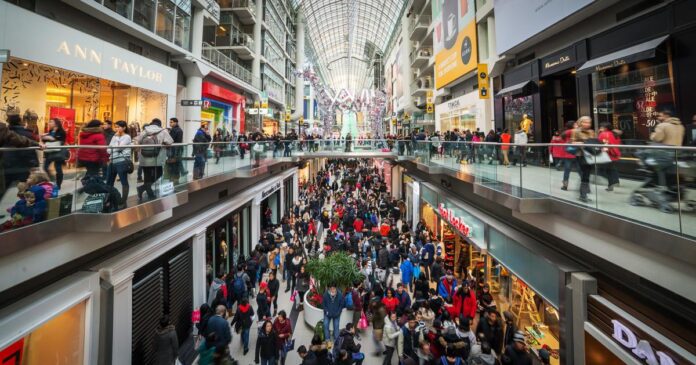
Recent data indicates that the U.S. retail sector continues to maintain steady growth, supported by consistent consumer demand and improving operational efficiency. Retail activity across both physical stores and digital platforms remains stable, reflecting balanced purchasing behavior among households.
According to reporting from Reuters, sales across key retail categories—including essential goods, discretionary items, and e-commerce—have remained consistent. While some segments experience short-term fluctuations, the overall trend points toward sustained consumer engagement.
Retailers are continuing to adapt to changing consumer preferences by strengthening omnichannel strategies. Businesses are integrating online and in-store experiences, allowing customers to shop more conveniently. Investments in faster delivery systems, inventory management, and personalized services are helping companies maintain competitiveness.
Supply chain improvements have also contributed to stability. Enhanced logistics networks and better inventory tracking have reduced disruptions, ensuring that products remain available and delivery timelines are more reliable. These improvements have played a significant role in supporting consistent retail performance.
Why It Matters
The retail sector is a vital component of the U.S. economy, acting as a direct link between production and consumption. Stable retail growth supports business revenue, employment, and overall economic activity.
For businesses, consistent retail demand provides predictability. Companies can plan inventory, staffing, and expansion strategies with greater confidence when sales remain steady. This stability encourages long-term investment and operational efficiency.
For workers, the retail sector supports employment across a wide range of roles, including sales, logistics, and supply chain management. Stable retail activity helps sustain jobs and contributes to economic activity in communities nationwide.
Consumers benefit from a strong retail environment through access to a wide range of products, competitive pricing, and improved shopping experiences. The continued growth of e-commerce has enhanced convenience, allowing consumers to make purchases more efficiently.
Retail performance also influences financial markets. Strong sales contribute to corporate earnings, which can impact investor confidence and broader market trends.
Economic and Industry Context
Retail activity is closely tied to broader economic conditions such as employment, income growth, and inflation. Stable labor markets and steady wages support consistent consumer spending, which in turn drives retail performance.
The Federal Reserve monitors retail trends as part of its overall assessment of economic health. Consumer spending data provides insights into demand patterns and helps guide monetary policy decisions.
Technological advancements continue to reshape the retail industry. E-commerce platforms, digital payments, and data-driven marketing strategies are transforming how businesses interact with consumers. Retailers that effectively adopt these technologies are better positioned to maintain growth.
Global supply chain dynamics also influence retail performance. Improvements in logistics and production systems have helped reduce disruptions, supporting stable operations. However, international conditions still play a role in determining product availability and pricing.
Implications
If current trends continue, the U.S. retail sector is likely to remain a stable contributor to economic growth. Consistent consumer demand can support business expansion, employment, and overall economic resilience.
For businesses, the outlook suggests continued opportunities to innovate and adapt. Companies may invest further in digital transformation, customer experience improvements, and supply chain efficiency to remain competitive.
For policymakers, retail activity will remain an important economic indicator. Monitoring spending trends can provide insights into consumer confidence and help guide economic strategies.
For investors, stable retail performance supports confidence in consumer-driven industries. Predictable demand contributes to consistent earnings and long-term investment opportunities.
In the broader context, the resilience of the retail sector reflects a balanced and adaptable economy. By maintaining steady growth, the sector continues to play a key role in supporting economic stability and long-term development.
Sources
U.S. retail growth holds steady amid consistent consumer demand

