Story Highlights
The RNC announced an all-time high cash total this week ahead of the midterm elections
The Democratic National Committee ended April with 14.4 million dollars on hand and 17.4 million dollars in debt
RNC officials emphasized continued fundraising urgency despite the party’s financial advantage
What Happened
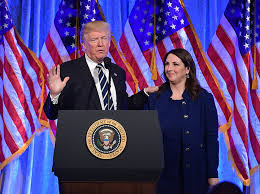
The Republican National Committee announced this week that it has reached an all-time high in total cash reserves, continuing a substantial financial advantage over the Democratic National Committee heading into the consequential 2026 midterm elections. RNC Chairman Joe Gruters credited the committee’s sustained fundraising performance for the achievement while emphasizing that Republicans cannot take their financial edge for granted given the high stakes of the November elections.
“Republicans have the candidates and resources needed to win the midterms, but this work is far from over,” Gruters said in a statement. “Democrats will continue to fundraise and spend millions in an effort to prevent President Trump from serving a full four years in office. That’s why it is imperative that we keep investing, organizing, and building on our momentum all the way through Election Day.” The committee’s financial position stands in stark contrast to the Democratic National Committee, which ended April with just 14.4 million dollars on hand alongside 17.4 million dollars in outstanding debt, according to recent federal filings.
The disparity reflects a broader pattern that has persisted throughout the current election cycle, with the RNC, National Republican Senatorial Committee, and National Republican Congressional Committee collectively raising approximately 340 million dollars and spending roughly 240 million dollars as of the most recent comprehensive reporting period. Democratic National Committee Chairman Ken Martin has faced internal scrutiny over the party’s comparatively sluggish fundraising performance, with the committee reporting it raised 11.4 million dollars in March compared to the RNC’s 21.2 million dollars during the same period, while the RNC held approximately 116.7 million dollars in reserves at that time.
Republican officials have pointed to the financial gap as evidence that the party’s donor base remains energized heading into the midterms, even as some Democratic strategists argue the party’s fundraising will accelerate as primary contests conclude and the general election comes into sharper focus for major donors.
Why It Matters
The fundraising disparity carries direct practical consequences for how competitive House and Senate races unfold in the closing months before the midterm elections, since party committees play a central role in funding advertising, voter turnout operations, and candidate support in the most contested districts and states. A well-funded national party apparatus can provide crucial late-cycle resources to candidates in competitive races who might otherwise struggle to match opponents’ spending.
For Republican strategists, the financial advantage offers a meaningful counterweight to historical midterm patterns that typically favor the party not controlling the White House, providing additional resources to defend the narrow majorities Republicans currently hold in both chambers of Congress. Given that Republicans are defending numerous competitive seats, including in Georgia, Maine, North Carolina, and Michigan, the ability to direct substantial committee resources toward those races could prove decisive in close contests.
For Democrats, the persistent fundraising gap raises questions about the party’s institutional infrastructure heading into a cycle where grassroots energy and candidate-level fundraising, exemplified by strong individual fundraising performances from candidates like Senator Jon Ossoff in Georgia, have in some cases outpaced the national committee’s own fundraising totals. This dynamic suggests Democratic financial strength may be more concentrated in individual campaigns than in centralized party infrastructure.
The disparity also reflects broader questions about party building and donor relationships in the current political environment, with Republican officials suggesting their financial edge stems from sustained organizational investment, while Democratic critics of their own party’s fundraising performance have pointed to leadership and messaging challenges as contributing factors.
Economic and Global Context
National party committee fundraising has become increasingly important in an era of expensive, nationalized congressional campaigns, with total spending across House and Senate races in recent cycles routinely exceeding previous records. The 2026 midterms are widely expected to set new spending benchmarks given the stakes involved in determining control of Congress for the remainder of Trump’s term.
The financial gap between the two parties’ national committees does not necessarily translate directly into individual race outcomes, since outside spending groups, individual candidate fundraising, and state party operations all play significant independent roles in shaping competitive contests. Democratic Senate candidates, including Ossoff, have in some cases substantially outraised their Republican opponents at the individual campaign level despite the national committee disparity.
Vice President JD Vance’s appointment as RNC finance chair, an unprecedented role for a sitting vice president, has been credited by some Republican strategists with helping sustain the committee’s strong fundraising performance by providing direct access to major donor networks, including in the technology sector, that have become increasingly important to Republican campaign finance.
Implications
For Republican candidates in competitive districts and states, the RNC’s strong financial position provides a measure of confidence that national party resources will be available to support their campaigns through the critical final months before the November elections.
For Democrats, continued fundraising struggles at the national committee level may intensify internal pressure on party leadership to address structural and strategic shortcomings before the financial gap becomes a more decisive factor in competitive races.
For both parties, the financial trends observed this cycle will likely shape post-election assessments of party infrastructure effectiveness, regardless of the ultimate outcome of the battle for congressional control in November.
Sources
Republican National Committee boasts all-time high cash total

