Story Highlights
- Trump announced on Truth Social that the GOP will hold its first-ever midterm convention in Dallas on September 9-10
- Republican National Committee Chair Joe Gruters described the event as “Trumpapalooza,” centered on showcasing the administration’s policy record
- The convention comes as Republicans defend slim House and Senate majorities amid a competitive Texas Senate race
What Happened
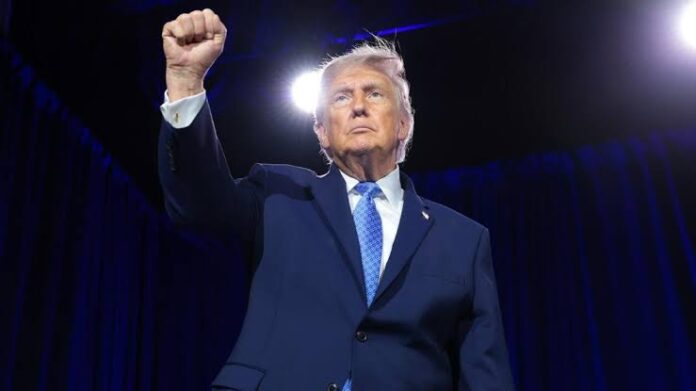
Donald Trump revealed the details of the historic gathering in a Tuesday evening Truth Social post, declaring, “BIG NEWS! For the first time ever, the Republican Party will hold a MIDTERM CONVENTION. It will be in Dallas, Texas — One of my favorite places in the World. It will be fantastic! It has never been done before, and will be a truly Historic Event.” Trump described the event as a celebration of the “GREAT AMERICAN COMEBACK,” highlighting policy wins he has touted throughout his second term, including the elimination of taxes on tips, overtime pay, and Social Security benefits, along with strengthened border security and American energy dominance.
The convention will run September 9-10, though the specific venue within Dallas has not yet been announced. Trump previewed the programming in his post, promising attendees would include “hardworking Americans, our Great Innovators, Entrepreneurs, Manufacturers, First Responders, and Job Creators” and calling it “a RALLY like none other” with “lots of Great Entertainment.” Republican National Committee Chairman Joe Gruters confirmed the event in a statement, calling it “Trumpapalooza” and saying it would highlight “President Trump’s many accomplishments and unwavering commitment to restoring America.”
Trump first floated the idea of a midterm convention last September, saying it would help “show the great things we have done” since retaking the White House. The Republican National Committee formally cleared the path for the gathering in January, when members approved a rules change granting Gruters authority to convene a party gathering during a midterm election year, a departure from decades of precedent in which national conventions were reserved for presidential election years. Dallas reportedly beat out Las Vegas as the host city, with Texas emerging as the clear preference given the state’s central role in this year’s midterm battles.
Political observers note the choice of Texas is strategically significant. Matthew Wilson, a political science professor at Southern Methodist University, said the decision “signals a desire on the Republicans’ part to rally the troops” and reflects a deliberate effort to build momentum in a state hosting several competitive House races and a hotly contested Senate contest between Republican Attorney General Ken Paxton and Democratic challenger James Talarico. Texas Democratic state Representative Cassandra Garcia Hernandez suggested the venue choice reveals GOP anxiety about the state’s shifting political landscape, saying, “The battleground for our nation runs through Texas.”
Why It Matters
The decision to hold a national convention during a midterm year is itself a significant break from modern political tradition, and it reflects the outsized role Trump continues to play in shaping Republican Party strategy and identity. Unlike previous midterm cycles, in which the president’s party often sought some distance from an unpopular incumbent, Republicans under Trump’s leadership are choosing to lean fully into his personal brand and record, betting that energizing the base around his accomplishments outweighs any risk of nationalizing races that might otherwise be decided on local issues.
For grassroots Republicans and conservative voters, the convention offers a rare midterm-year opportunity to gather nationally, hear directly from party leadership, and coalesce around a unified message heading into November. It also gives the party a high-visibility platform to promote legislative wins, including tax relief measures and energy policy changes, that Republicans hope will resonate with voters concerned about affordability and the economy.
The Texas location carries particular significance given the state’s competitive Senate race and multiple contested House seats. By anchoring the convention in Dallas, Republicans are signaling they intend to invest heavily in defending and expanding their presence in a state Democrats have increasingly targeted as a long-term growth opportunity. The move could help drive turnout and fundraising in Texas specifically while providing a template other state parties might replicate in future midterm cycles.
Economic and Global Context
The convention arrives against a complicated economic and political backdrop. Trump’s approval rating stood at roughly 41.2 percent as of late Tuesday, with disapproval at 56.5 percent according to a polling average from Decision Desk HQ, figures that underscore the challenge Republicans face in translating the president’s policy record into sustained public support. Party strategists are betting that a high-profile showcase of tangible economic wins, including tax cuts on tips and overtime pay, will help counter those numbers before voters go to the polls.
Republicans also face economic headwinds beyond approval ratings, including public concerns about affordability and the lingering effects of an unpopular military engagement with Iran that has weighed on both the president’s standing and broader consumer sentiment. The convention’s messaging strategy, built around “the GREAT AMERICAN COMEBACK,” appears designed to directly confront those concerns by emphasizing energy policy achievements and economic milestones the administration considers underappreciated by voters.
Democratic National Committee officials have signaled they view the convention as a strategic overreach. DNC Executive Director Roger Lau argued that Republicans “were baited into wasting time and money on a midterm convention that will sink their swing-seat candidates by tying them directly to Trump’s wildly unpopular policies,” reflecting the opposing party’s bet that nationalizing the midterms around Trump personally will backfire in competitive districts.
Implications
In the coming months, expect the Republican National Committee to finalize convention logistics, including the specific Dallas venue, speaker lineup, and security arrangements for what promises to be one of the most closely watched political gatherings of the year. Party officials will also need to navigate the delicate balance between showcasing Trump’s leadership and protecting vulnerable House and Senate candidates who may prefer some distance from the president’s national brand in their own districts.
For Texas Republicans, the convention offers a significant opportunity to energize the base ahead of what both parties now consider a genuinely competitive Senate race, along with several contested House seats. Expect increased fundraising activity and candidate visibility tied to the event as the state becomes a focal point of national attention through the fall.
For voters nationally, the convention will likely serve as a preview of the messaging themes Republicans intend to emphasize through November, offering a clearer picture of how the party plans to frame its first two years back in full control of Washington heading into a pivotal midterm test of the president’s political durability.
Sources
“President Trump announces first Republican ‘Midterm Convention’ in Dallas, Texas”

