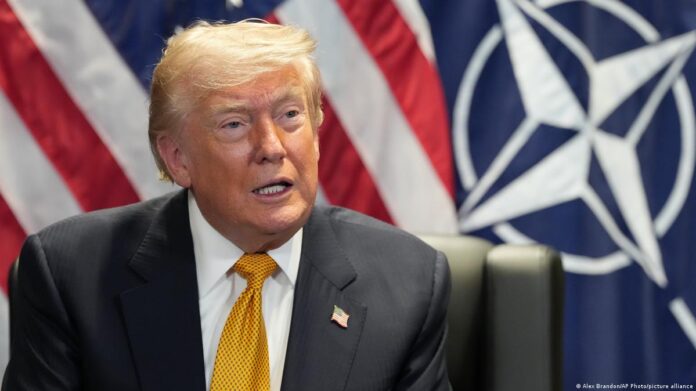
The fragile truce between the United States and Iran collapsed this week after President Donald Trump declared the ceasefire “over,” triggering a fresh round of American airstrikes across Iranian territory. U.S. Central Command confirmed forces hit roughly 90 targets, including missile and drone storage sites, following Iranian attacks on oil tankers transiting the Strait of Hormuz. The escalation threatens to reignite a broader Middle East conflict just as the region seemed to be stabilizing.
Story Highlights
- U.S. forces struck around 90 targets in Iran, including air defenses, radar sites, and missile and drone storage facilities
- Iran’s Islamic Revolutionary Guard Corps retaliated with strikes on U.S. bases in Kuwait and Bahrain
- Trump said Tehran reached out seeking a new deal but questioned whether Iran is “worthy of making” one
What Happened
The renewed hostilities began after Iranian forces attacked three oil tankers in the Strait of Hormuz, a waterway that normally carries roughly one-fifth of the world’s oil supply. President Trump, speaking to reporters aboard Air Force One, said he no longer considered the ceasefire between the two nations to be in effect. “Every time they hit us, we’re gonna hit them twenty,” Trump told reporters, describing the scale of the American response.
U.S. Central Command said American forces conducted strikes against approximately 90 targets inside Iran, including air defense systems, radar installations, and dozens of small boats believed to be involved in the tanker attacks. Iranian state media reported that the Islamic Revolutionary Guard Corps responded by launching drone and missile strikes against U.S. military installations in Kuwait and Bahrain, with a statement warning that further American strikes would trigger retaliation against additional U.S. bases in the region.
The strikes marked some of the deepest American operations into Iranian territory since earlier fighting in March, reportedly including attacks on transportation infrastructure such as a bridge and rail line in Iran’s Golestan Province. Trump also revealed that Iranian officials had quietly reached out to American counterparts seeking to negotiate a new agreement, though he expressed skepticism about Tehran’s sincerity. “I don’t know if they’re worthy of making a deal,” Trump said.
Adding to the tension, Trump departed the NATO summit in Ankara aboard the older Air Force One rather than the newer Qatari-donated aircraft, a decision reportedly made at the urging of the Secret Service due to security concerns tied to the deteriorating situation with Iran. The president denied the switch was security-related, saying instead that the new jet was making stops at military bases to be shown off to troops.
Why It Matters
The collapse of the ceasefire carries significant implications for American service members stationed throughout the Middle East, particularly at bases in Kuwait, Bahrain, and Qatar that now sit within range of Iranian retaliation. For military families and defense planners, the shift from a tenuous peace back to open exchange of fire raises the stakes considerably and could require additional troop deployments or defensive posturing across the region.
For American consumers, renewed conflict in the Strait of Hormuz threatens global energy markets directly. Any sustained disruption to tanker traffic through the strait, which carries about a fifth of global oil supply, tends to push crude prices higher almost immediately, with downstream effects on gasoline prices at a time when inflation remains a central concern for households nationwide.
Politically, the escalation puts Trump in a position where his administration’s earlier claims of having brokered a durable peace in the region are being tested. Republicans have largely framed the initial ceasefire as a foreign policy achievement, and a full return to war could complicate that narrative heading into the 2026 midterm election cycle, particularly if American casualties or economic disruption follow.
Economic and Global Context
Energy markets are watching the Strait of Hormuz closely, given its outsized role in global oil transit. Analysts have warned that even short-term disruptions to shipping through the waterway can send crude prices up sharply, and sustained hostilities raise the risk of a broader supply shock. The Trump administration has already moved to revoke an Iran oil sanctions waiver following the Strait of Hormuz attacks, tightening pressure on Iranian oil exports even as fighting continues.
Globally, the renewed conflict complicates diplomatic efforts elsewhere, including ongoing negotiations tied to the war in Ukraine, where Trump has been simultaneously pushing for a resolution. Allied nations in Europe and the Gulf region are monitoring the situation for signs that the conflict could widen, particularly given Iran’s stated willingness to expand retaliatory strikes against additional American installations.
Inflation data will be a key indicator to watch in the coming weeks. Consumer prices have already been elevated, and energy cost spikes tied to Middle East instability could further complicate the Federal Reserve’s efforts to manage interest rate policy heading into the fall.
Implications
In the near term, expect continued exchanges of fire between U.S. and Iranian forces unless a new diplomatic opening emerges. Trump’s acknowledgment that Iran has sought a new deal suggests back-channel negotiations may continue even as strikes proceed publicly, a pattern consistent with prior phases of the conflict.
For Gulf allies hosting American troops, the priority will be reinforcing base defenses and coordinating with Washington on rules of engagement should Iranian retaliation continue or escalate. Kuwait, Bahrain, and Qatar all face elevated security concerns in the immediate term.
Congress is likely to face renewed pressure to weigh in on the administration’s war powers authority, particularly if the conflict extends for weeks rather than days. Lawmakers from both parties have previously raised questions about the scope of executive authority in ongoing Middle East operations, and a sustained campaign against Iran could reignite that debate on Capitol Hill.
Sources
“U.S. and Iran exchange back-and-forth strikes for second day”

