Story Highlights
- Ongoing Hezbollah tensions risk undermining ceasefire progress
- Regional instability continues despite diplomatic efforts
- Multi-front conflicts complicate peace initiatives
What Happened
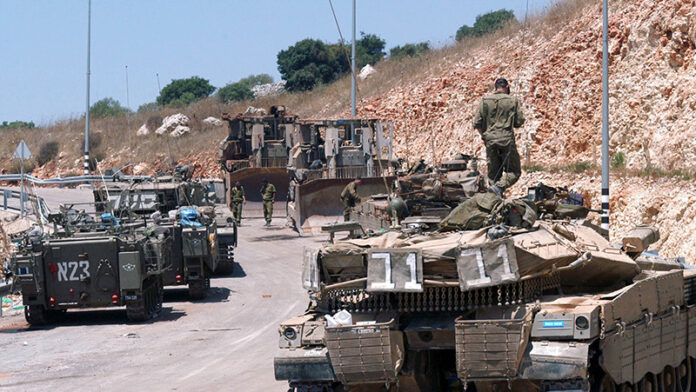
While the U.S.-Iran ceasefire has reduced direct tensions between the two nations, ongoing conflict involving Hezbollah has raised concerns about the broader stability of the region. Reports indicate continued hostilities linked to Hezbollah’s activities, particularly in areas connected to the Israel-Lebanon border, where tensions have remained elevated.
These developments highlight the fragmented nature of the regional conflict. The ceasefire agreement, while effective in easing one dimension of tension, does not encompass all actors involved in the broader geopolitical landscape. Hezbollah’s continued engagement in conflict introduces additional complexity, creating challenges for maintaining overall stability.
International observers have expressed concern that these ongoing tensions could undermine the progress achieved through the ceasefire. The presence of multiple active fronts increases the risk of escalation, as developments in one area can influence conditions in others. This interconnected dynamic makes it difficult to isolate conflicts or achieve stability through limited agreements.
Efforts to manage the situation are ongoing, with diplomatic channels remaining active. However, the persistence of conflict involving Hezbollah underscores the need for broader engagement that addresses multiple actors and issues simultaneously.
Why It Matters
The continued conflict involving Hezbollah is significant because it poses a direct challenge to broader peace efforts in the region. Even as progress is made in one area, unresolved tensions elsewhere can create conditions that threaten overall stability.
The situation also highlights the importance of inclusivity in diplomatic agreements. Addressing only a subset of actors may not be sufficient to achieve lasting peace, particularly in regions with complex and interconnected conflicts.
Additionally, the development underscores the risks associated with multi-front conflicts. When multiple issues are active simultaneously, the potential for escalation increases, making it more difficult to manage and resolve tensions effectively.
The issue also reflects the need for coordinated approaches to conflict resolution. Engaging a wider range of stakeholders can help address the underlying causes of instability and support more comprehensive solutions.
Political and Geopolitical Impact
Geopolitically, the continued Hezbollah-related tensions add another layer of complexity to the Middle East landscape. Countries in the region are likely to reassess their strategies in response to these developments, balancing security concerns with diplomatic opportunities.
For international actors, the situation highlights the challenges of sustaining peace efforts in a multi-layered conflict environment. Continued engagement and coordination will be necessary to address the various factors influencing stability.
The development may also influence how future agreements are structured. Greater emphasis may be placed on including a wider range of actors to ensure that agreements are more comprehensive and effective.
Domestically within affected countries, the ongoing tensions may shape political discussions and policy decisions related to security and foreign relations.
Implications
If the conflict involving Hezbollah continues, it could undermine the broader ceasefire and increase the risk of renewed escalation in the region. This would highlight the limitations of partial agreements and the need for more inclusive solutions.
However, the situation also presents an opportunity to expand diplomatic efforts. Addressing additional areas of conflict could help build on existing progress and move toward more comprehensive stability.
In the long term, the development emphasizes the importance of coordinated and multi-dimensional approaches to conflict resolution. Successfully managing such situations requires addressing multiple actors, interests, and issues simultaneously. The coming weeks will be critical in determining how these dynamics evolve.
Sources
“Hezbollah tensions threaten wider peace efforts amid ceasefire”

