Story Highlights
- Maine Democrats are heading into the final stretch of their Senate primary as Sen. Susan Collins waits for her challenger.
- Graham Platner remains the Democratic frontrunner despite new controversies and scrutiny over his personal conduct.
- Gov. Janet Mills suspended her campaign but remains on the ballot, adding uncertainty before the June 9 vote.
What Happened
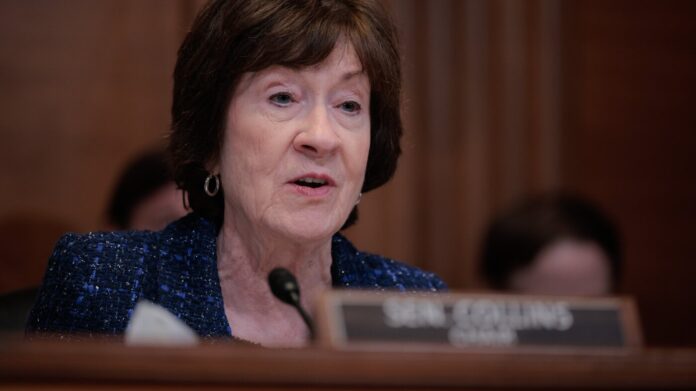
Maine’s Democratic Senate primary is entering its final days, with Graham Platner trying to hold his frontrunner position while Republican Sen. Susan Collins prepares for one of the most closely watched general-election fights of the midterm cycle.
Platner, an oyster farmer and Marine veteran, has built his campaign around economic populism, healthcare, housing costs, and opposition to entrenched political power. But his campaign has been hit by a series of damaging controversies just before voters make their final choice.
- The Democratic primary is scheduled for June 9.
- Platner remains the leading Democratic candidate despite negative coverage.
- Collins is expected to face the Democratic nominee in November.
Platner held a major rally in Bar Harbor as new allegations and personal controversies continued to dominate coverage of the race. Reports have included accusations from former romantic partners, past explicit messages, controversial online activity, and questions about a tattoo associated with Nazi symbolism that Platner has since covered.
Platner has denied or disputed key allegations, apologized for some past conduct, and argued that the attacks are being weaponized to distract from his economic message. His wife, Amy Gertner, has publicly defended him, and several progressive allies have continued to support his campaign.
The race became even more complicated because Maine Gov. Janet Mills suspended her Senate campaign earlier this year but remains on the Democratic primary ballot. That gives uneasy Democrats a formal alternative, even though Platner still appears to have the stronger path to the nomination.
Why It Matters
The Maine Senate race matters because it could help determine control of the U.S. Senate. Republicans currently hold the chamber, and Democrats view Collins’s seat as one of their best opportunities to flip a Republican-held seat in November.
Collins has survived difficult races before by emphasizing independence, seniority, and bipartisan credentials. But Maine has shifted more competitive in national politics, and Democrats believe the right challenger could put her seat in serious danger.
- Democrats need competitive pickup opportunities to regain the Senate majority.
- Collins remains one of the few Republican senators who can compete in a blue-leaning state.
- Platner’s controversies could affect whether Democrats can fully capitalize on the opportunity.
Polling has shown Platner with a narrow advantage over Collins in a possible general-election matchup. But that lead could be tested if Republicans succeed in making his personal controversies the center of the fall campaign.
National Democrats face a difficult choice. They need the Maine seat, but they also must decide how much risk they are willing to accept with a nominee who has energized progressives while also creating concern among moderates.
Political and Public Context
Platner’s rise reflects a broader Democratic debate over what kind of candidate can win in a difficult political environment. His supporters say he brings authenticity, working-class appeal, military service, and a populist message that can reach voters who distrust establishment politics.
His critics argue that the controversies surrounding him could make the race harder than it needs to be, especially against a seasoned incumbent like Collins, who has spent decades cultivating a moderate image in Maine.
- Progressives see Platner as a strong anti-establishment candidate.
- Moderates worry his personal controversies could damage Democrats in November.
- Republicans are already preparing to frame him as too risky and too flawed for Maine voters.
Senate Democratic Leader Chuck Schumer has backed Platner, signaling that national Democrats are moving toward him despite the controversy. Progressive figures such as Bernie Sanders and Elizabeth Warren have also remained important parts of his support network.
Still, some Democrats have expressed concern about the allegations and the campaign’s handling of them. That internal tension is likely to continue even if Platner wins the primary.
Economic and State Context
Maine’s economy gives the Senate race a distinct local character. The state is tied closely to fisheries, tourism, timber, small business, healthcare access, and defense manufacturing, including the Bath Iron Works shipyard.
Platner has tried to center the race on those economic issues, arguing that Mainers need stronger healthcare access, more affordable housing, and a senator less aligned with corporate and establishment interests.
- Healthcare and prescription drug costs remain major issues in Maine’s older population.
- Housing affordability has become a growing concern in coastal and rural communities.
- Defense jobs and shipbuilding remain important to the state’s economy.
Collins is expected to run on her record of federal funding, constituent service, and bipartisan influence. Her campaign will likely argue that her seniority gives Maine more power in Washington than a first-term Democrat could deliver.
The contrast is clear: Platner wants to make the race about economic change and anti-establishment energy, while Collins will likely make it about experience, stability, and concerns over her opponent’s judgment.
What Happens Next
The immediate question is whether Platner can close the primary without further damage and quickly pivot to a general-election campaign against Collins.
If he wins, Republicans are expected to use the controversies against him immediately. Collins’s team will likely argue that Platner is too risky, too untested, and too personally compromised for a Senate seat.
- The Democratic primary takes place June 9.
- Platner remains favored, but Mills’s presence on the ballot adds uncertainty.
- The general election is expected to become one of the most expensive Senate races of the year.
For Democrats, the path forward depends on whether Platner can bring the conversation back to economic issues. If he succeeds, Maine could remain a top pickup opportunity. If the controversies continue to dominate, Collins may gain the opening she needs to survive another difficult cycle.
The final days of the primary will therefore shape more than one nomination. They may determine whether Maine becomes Democrats’ best Senate pickup chance — or another missed opportunity against one of the GOP’s most durable incumbents.
Sources
- Graham Platner isn’t going anywhere in Maine Senate race after latest controversy
- Schumer meets with Maine Senate candidate Platner ahead of primary
- Maine Poll: Platner Holds Slight Lead over Collins in U.S. Senate Race
- Gov. Mills will still be on ballot in Democratic US Senate Primary, votes will still count

