Story Highlights
- Sen. John Cornyn lost the Texas Republican Senate primary to Trump-backed Ken Paxton, freeing him from reelection pressure.
- Cornyn has signaled he may ask tough questions about Todd Blanche’s attorney general nomination.
- With Cornyn and Thom Tillis no longer facing future elections, Senate Judiciary could become more unpredictable for Trump.
What Happened
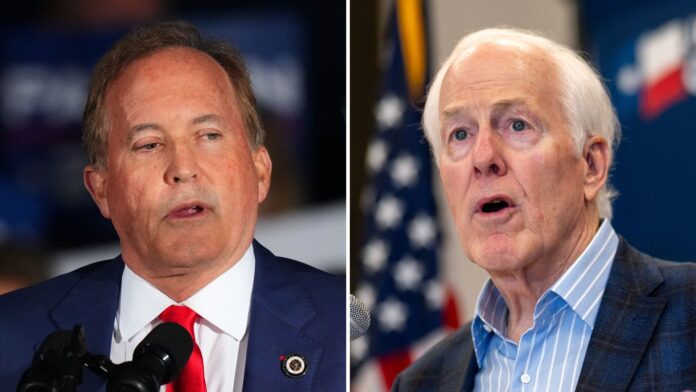
Sen. John Cornyn’s loss to Trump-backed Texas Attorney General Ken Paxton has changed the political math inside the Senate Judiciary Committee, where several of President Donald Trump’s most important nominees and legal priorities will be tested.
Cornyn, a senior Texas Republican and longtime member of the Senate, lost his primary fight after Trump endorsed Paxton. The defeat leaves Cornyn in a lame-duck position, with no reelection campaign to protect and less reason to avoid conflict with the White House.
- Trump endorsed Paxton over Cornyn in the Texas Senate primary.
- Cornyn’s defeat removes the immediate pressure of winning over Trump’s base.
- His remaining months in office could give him more freedom on nominations and oversight.
That freedom could matter quickly. Cornyn has already declined to give automatic support to Todd Blanche, Trump’s nominee for permanent attorney general. Blanche previously served as Trump’s personal defense lawyer before joining senior Justice Department leadership.
Cornyn said Blanche would need to answer serious questions about the role of the attorney general, especially whether he understands that the attorney general is not the president’s private lawyer.
The comment landed sharply because Blanche’s nomination is already expected to become a major Senate fight over DOJ independence, political loyalty, and the line between presidential authority and impartial law enforcement.
Why It Matters
The Senate Judiciary Committee is one of the most powerful committees in Congress. It handles federal judicial nominees, Justice Department oversight, attorney general confirmations, and many of the legal disputes that define executive power.
Under normal circumstances, the majority-party senators are expected to help advance a president’s nominees. But Cornyn’s primary loss changes his incentives. He no longer needs to worry about a future Republican primary challenge, Trump’s endorsement, or pressure from conservative voters in another campaign.
- Cornyn can now act with more independence in committee hearings.
- His questions could complicate Blanche’s confirmation process.
- His posture could also affect future judicial and DOJ nominations.
The same dynamic applies to Sen. Thom Tillis of North Carolina, another Judiciary Committee Republican who is not seeking another term. With Cornyn and Tillis both outside the normal reelection pressure cycle, the committee could become less predictable for the White House.
That does not mean either senator will automatically oppose Trump’s nominees. But it does mean the administration may have to work harder to satisfy concerns about qualifications, independence, ethics, and institutional credibility.
Political and Public Context
Cornyn’s defeat was a political victory for Trump and Paxton, but it may also produce consequences the White House did not intend. A senator who has been pushed out by a Trump-backed challenger may be less inclined to protect Trump from difficult votes or uncomfortable hearings.
That is especially important because the Senate has already shown pockets of Republican resistance on issues such as the anti-weaponization fund, intelligence appointments, FISA surveillance authority, and other controversial parts of Trump’s second-term agenda.
- Cornyn may become more willing to challenge Trump-backed nominees.
- Tillis could also act more independently on Judiciary matters.
- The White House may face more scrutiny from its own party than expected.
The Blanche nomination is the clearest early test. Blanche’s supporters argue he is an experienced lawyer who understands the Justice Department and will carry out Trump’s mandate to reform federal law enforcement.
Critics argue that Blanche’s history as Trump’s personal lawyer creates a serious public trust problem. They say the attorney general must serve the United States, not the president’s personal or political interests.
Oversight and Accountability Context
Cornyn’s position matters because confirmation hearings are not only about votes. They also shape the public record, force nominees to answer under oath, and give senators a platform to define the limits of acceptable executive conduct.
If Cornyn presses Blanche on DOJ independence, it could give bipartisan weight to concerns that might otherwise be dismissed as Democratic opposition.
- Cornyn could ask Blanche whether he would resist political pressure from the White House.
- He could question the legal basis for controversial DOJ initiatives.
- He could also ask whether Blanche can separate his former attorney-client relationship with Trump from his public role.
The anti-weaponization fund controversy may also return during the hearings. Cornyn has called for Congress to ensure that the fund cannot be revived under another name, putting him at odds with Trump allies who viewed it as a remedy for alleged political targeting.
That makes Cornyn’s role especially sensitive. He is not simply a Republican senator asking routine questions. He is a defeated incumbent with seniority, institutional knowledge, and little left to lose politically.
What Happens Next
The next major test will come when Blanche’s nomination reaches the Senate Judiciary Committee. Cornyn’s questions could help determine whether the hearing becomes a straightforward confirmation process or a broader debate over the independence of the Justice Department.
If Cornyn and Tillis both demand stronger answers from Blanche, the White House may need to provide more assurances than it expected. Even if Blanche ultimately has enough votes, a difficult hearing could damage the nomination politically.
- The Judiciary Committee will likely become the main battleground for Blanche’s nomination.
- Cornyn and Tillis could influence the tone and scope of questioning.
- Future judicial nominees may also face tougher scrutiny from the same committee dynamic.
For Trump, Cornyn’s primary defeat was a show of political strength. But inside the Senate, it may have created a more independent Republican voice at exactly the wrong moment for the White House.
The result is a new uncertainty on Judiciary: a senior Republican no longer fighting for survival, no longer dependent on Trump’s approval, and now positioned to shape some of the most important legal fights of the president’s second term.

