Story Highlights
- U.S. reinforces military presence across key strategic locations
- Positioning aimed at deterrence and regional stability
- Moves support ongoing diplomatic and security efforts
What Happened
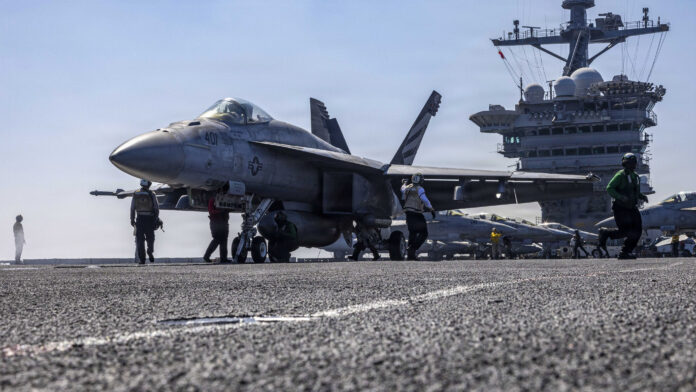
The United States has reinforced its military positioning across key areas in the Middle East, reflecting a strategy aligned with President Trump’s focus on deterrence and stability. The deployment includes strategic placement of assets designed to monitor developments and respond quickly if needed.
Officials indicate that the positioning is part of a broader effort to maintain readiness while supporting ongoing diplomatic initiatives. The presence of military resources is intended to act as a stabilizing factor, reducing the likelihood of escalation.
The strategy combines visible preparedness with continued diplomatic engagement, ensuring that the United States can address both immediate and long-term challenges. Coordination with allied nations is also a critical component, reinforcing collective security efforts.
Observers note that such positioning sends a clear signal regarding the United States’ commitment to maintaining stability in a region that remains central to global security and economic interests.
Why It Matters
Military positioning plays a key role in deterrence, helping to prevent potential conflicts by demonstrating readiness and capability. A strong presence can reduce the risk of miscalculation among competing actors.
For global markets, stability in the Middle East is essential, particularly due to its importance in energy production and trade routes. Any disruption can have widespread economic effects.
The approach also highlights the balance between military strength and diplomacy. By maintaining readiness while pursuing negotiations, policymakers aim to manage risks effectively.
Additionally, the development reflects broader efforts to adapt to evolving security challenges in a complex geopolitical environment.
Political and Geopolitical Impact
Domestically, military strategy often influences political discussions around defense spending and foreign policy priorities. Decisions related to deployment and readiness can shape legislative debates.
The issue may also impact public perception, particularly regarding national security and international engagement.
Geopolitically, U.S. military positioning affects regional dynamics and relationships with both allies and adversaries. It can influence how other nations respond and adjust their own strategies.
The move also reinforces the United States’ role as a key security partner, contributing to broader efforts to maintain global stability.
Implications
If the strategy proves effective, it could help maintain stability and prevent escalation in a sensitive region. This would support both security objectives and economic conditions.
However, the situation remains complex, and continued monitoring will be necessary to adapt to changing developments. Maintaining balance between readiness and diplomacy will be essential.
In the long term, the focus on strategic positioning underscores the importance of proactive security measures. Sustained efforts will be required to manage evolving global challenges.
Sources
“U.S. reinforces military positioning in Middle East amid ongoing tensions”

