Story Highlights
- Ceasefire opens pathway for formal diplomatic negotiations
- Talks expected to move toward structured peace discussions
- Momentum builds for longer-term conflict resolution
What Happened
The ceasefire between the United States and Iran has created a critical opening for structured peace talks, marking a transition from immediate crisis management to a more formal diplomatic process. Following the agreement, discussions have begun to shift toward organizing negotiations with clearer frameworks and defined objectives.
Initial indications suggest that upcoming talks may involve multiple stakeholders, with efforts focused on addressing key issues in a more comprehensive manner. The ceasefire has provided the necessary pause to allow these preparations, reducing immediate tensions and enabling both sides to engage without the pressure of active escalation.
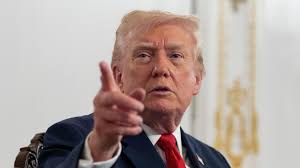
President Donald Trump’s approach has been central to creating this opportunity. By securing a pause in hostilities, the groundwork has been laid for discussions that extend beyond short-term arrangements. The emphasis is now on building a structured process that can guide negotiations toward more sustainable outcomes.
International actors have expressed interest in supporting these efforts, recognizing the potential for broader engagement. The move toward structured talks reflects a shift in focus, from preventing conflict to actively working toward resolution. While challenges remain, the current moment represents a significant step in that direction.
Why It Matters
The transition to structured peace talks is significant because it moves the situation beyond temporary measures and toward long-term solutions. Ceasefires can provide immediate relief, but lasting stability requires organized and sustained negotiation efforts.
Structured talks allow for clearer communication and more focused discussions. By defining key issues and objectives, negotiators can work more effectively toward agreements that address underlying concerns. This approach increases the likelihood of achieving meaningful progress.
The development also highlights the importance of creating opportunities for dialogue. Without a pause in hostilities, it can be difficult to initiate comprehensive discussions. The ceasefire has provided the space needed to begin this process.
Additionally, the situation underscores the value of momentum in diplomacy. Building on initial progress can help sustain engagement and encourage further cooperation. Maintaining this momentum will be important as talks move forward.
Political and Geopolitical Impact
Geopolitically, the move toward structured talks has the potential to influence the broader Middle East region. Successful negotiations could contribute to greater stability and encourage similar efforts in other areas of conflict.
For the United States, facilitating this transition reinforces its role as a key participant in global diplomacy. Being involved in the development of structured talks enhances its influence and ability to shape outcomes.
Other countries are likely to monitor the process closely, with some potentially participating in or supporting the negotiations. The involvement of multiple stakeholders can add depth to discussions but also introduces additional complexity.
Domestically, the development may be viewed as a progression from immediate crisis management to longer-term planning. It highlights the importance of not only preventing conflict but also working toward sustainable solutions.
Implications
If the structured talks progress successfully, they could lead to agreements that address key issues and contribute to lasting stability. The current window of opportunity provides a foundation for such outcomes, but sustained effort will be required.
However, the process may face challenges, including differing priorities and complex dynamics among the parties involved. Navigating these challenges will be essential for maintaining progress.
In the long term, the situation highlights the importance of transitioning from short-term measures to comprehensive strategies. The ability to build on initial successes and move toward structured solutions is a key aspect of effective diplomacy. The coming weeks will be critical in determining how this process unfolds.
Sources
“Ceasefire opens window for structured peace talks between US and Iran”

