Story Highlights
- Qatari and Pakistani mediators reported “positive progress” on issues tied to the Islamabad Memorandum of Understanding following two days of indirect US-Iran talks in Doha
- Vice President JD Vance confirmed talks are “going well” and said negotiators would soon begin discussing Iran’s nuclear program directly
- The next round of talks will be scheduled after funeral processions for Iran’s late Supreme Leader, set to conclude July 9
What Happened
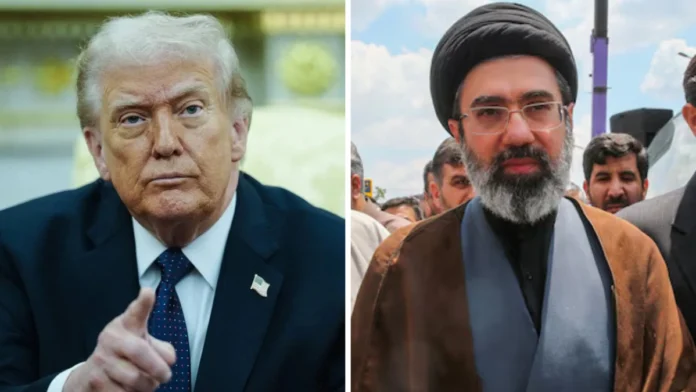
Presidential envoys Steve Witkoff and Jared Kushner concluded a two-day diplomatic mission to Doha, Qatar, on Wednesday, meeting with mediators from Qatar and Pakistan as part of ongoing efforts to solidify a ceasefire that has governed U.S.-Iran relations since a memorandum of understanding was signed last month. The two envoys also met directly with Qatar’s ruling emir, Sheikh Tamim bin Hamad Al Thani, to discuss the status of negotiations, though they did not meet face-to-face with Iranian diplomats. Instead, all discussions between American and Iranian officials proceeded indirectly through Qatari and Pakistani intermediaries, a diplomatic arrangement that has characterized the entire negotiation process since hostilities paused.
Qatari Foreign Ministry spokesperson Majed Al Ansari announced that the indirect talks had produced “positive progress” on issues tied to what officials are calling the Islamabad Memorandum of Understanding, building on outcomes from an earlier summit. “The parties agreed to continue discussions over the coming period, with the next meeting to be scheduled at the earliest possible time following the funeral processions of the former Iranian Supreme Leader,” Al Ansari said in a statement posted to social media. Funeral ceremonies for Iran’s former Supreme Leader are scheduled to take place in the city of Qom from July 4 through July 9, delaying the next formal round of negotiations by roughly a week.
Iran’s Deputy Foreign Minister Kazem Gharibabadi confirmed that the Iranian delegation met with Qatari and Pakistani mediators during the two-day session, focusing discussions on the disposition of approximately $6 billion in Iranian assets frozen and held by Qatar, as well as implementation of a related ceasefire agreement covering hostilities in Lebanon. Gharibabadi indicated Iran intends to use a portion of the frozen funds to purchase goods the country needs, signaling a degree of practical engagement with the broader diplomatic framework even as core disputes remain unresolved.
Vice President Vance, speaking with CNN on Wednesday, characterized the overall trajectory of talks positively while acknowledging the most contentious issue remains ahead. “We’re worried about the nuclear issue, we’re going to start talking about that, so right now the talks are going well,” Vance said. He added that a return to full-scale military action has not been ruled out, stating that decision “lies in the hands of Iran,” a comment underscoring the fragility of the current arrangement despite the reported progress.
Why It Matters
The outcome of these negotiations carries enormous stakes for regional stability and for the credibility of the Trump administration’s broader foreign policy approach in the Middle East. The underlying memorandum of understanding includes a 60-day ceasefire, provisions for reopening the strategically vital Strait of Hormuz to commercial shipping, and a framework for eventually reaching a permanent agreement addressing Iran’s nuclear program, arguably the most consequential and difficult component of the entire negotiation process.
For American policymakers, successfully converting this temporary truce into a lasting settlement would represent a significant diplomatic achievement, potentially validating the administration’s reliance on Gulf state mediators rather than direct bilateral negotiation. It would also reduce the risk of renewed military conflict that has weighed on global energy markets and regional security since fighting first erupted between the U.S., Israel, and Iran earlier this year.
For American businesses and consumers, the stability of the Strait of Hormuz carries direct economic relevance given its role as one of the world’s most critical oil shipping chokepoints. Continued progress toward a durable ceasefire supports the kind of predictable energy markets that benefit American consumers, while any breakdown in talks would risk renewed volatility in global oil prices and shipping costs.
Economic and Global Context
Financial markets have already begun pricing in expectations of a durable peace. Analysts have noted that markets are “treating this temporary ceasefire between the U.S. and Iran as a permanent deal” and may have overshot in anticipating a full return to normal shipping and trade flows, with one research note suggesting a genuine return to pre-war conditions may not materialize until the end of the third quarter of this year. Iran’s chief negotiator, Mohammad Bagher Ghalibaf, reported that the country has exported more than 40 million barrels of oil since a U.S. blockade on Iranian ports was lifted, a sharp reversal from the roughly 50 to 60 days prior when Iran said it exported essentially no oil at all.
The broader regional picture remains complicated by continued tension in Lebanon, where despite a U.S.-brokered ceasefire agreement signed last Friday between Israel and Lebanon, Israeli forces conducted a strike against a Hezbollah operative in southern Lebanon this week. Israel’s defense minister has stated that Israeli forces will remain “indefinitely” in security zones established in Lebanon, Syria, and Gaza, a stance that complicates the broader stabilization effort the Trump administration is simultaneously pursuing across multiple fronts.
U.S. Central Command convened senior military officials from across the region this week, including representatives from Bahrain, Saudi Arabia, Qatar, and the United Arab Emirates, to discuss the security environment surrounding the Strait of Hormuz, reflecting the multinational stakes tied to the outcome of the broader negotiation process.
Implications
The coming weeks will be defined largely by the delay associated with funeral proceedings for Iran’s former Supreme Leader, which will pause formal negotiations until after July 9. Once talks resume, both sides face the considerably more difficult task of addressing Iran’s nuclear program directly, a subject Vance signaled negotiators are only now preparing to engage.
For Gulf allies, particularly Qatar and Pakistan, continued successful mediation reinforces their emerging roles as indispensable diplomatic brokers between Washington and Tehran, a position that carries significant long-term strategic and economic benefits for both nations. For the Trump administration, sustaining this diplomatic momentum without a resumption of hostilities will be critical to demonstrating that its Middle East strategy can deliver lasting results rather than a temporary pause in conflict.
For global energy markets and American consumers, the trajectory of these talks will remain a key variable shaping oil price stability through the remainder of the year, with any breakdown carrying immediate and tangible economic consequences well beyond the immediate region.
Sources
“Meetings in Doha, Vance says talks ‘going well'”

