

Story Highlights
- Oil prices fluctuate due to uncertainty in Middle East tensions
- Markets react to shifting expectations around supply risks
- Volatility highlights sensitivity of global energy systems
What Happened
Global oil prices have experienced noticeable fluctuations as tensions in the Middle East continue to evolve. In recent days, prices have moved both upward and downward in response to changing expectations about potential supply disruptions. The situation surrounding the United States and Iran, along with broader regional dynamics, has created an environment of uncertainty that is directly influencing energy markets.
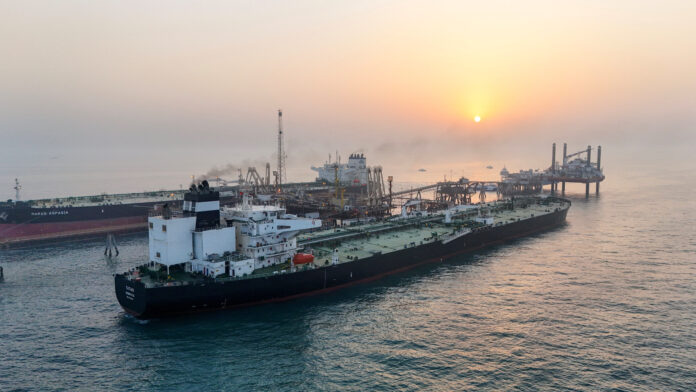
Initially, prices surged as concerns grew about the possibility of restricted access to key shipping routes, particularly the Strait of Hormuz. This region is critical for global oil transport, and any perceived threat can quickly lead to increased prices as traders factor in potential risks. However, following signs of de-escalation, including ceasefire developments, prices began to retreat, reflecting a reassessment of those risks.
Despite this partial stabilization, volatility remains a defining characteristic of the market. Traders continue to respond to new information, adjusting their positions based on the latest developments. This has resulted in frequent price swings, with markets reacting not only to confirmed events but also to speculation and expectations.
The impact of these fluctuations extends beyond the energy sector. Financial markets, currency values, and economic forecasts are all influenced by changes in oil prices. As a result, the current volatility is being closely monitored by governments, businesses, and investors around the world.
Why It Matters
The volatility in oil prices is significant because energy costs play a central role in the global economy. Changes in oil prices can affect production costs, transportation expenses, and consumer prices. When prices fluctuate unpredictably, it creates challenges for businesses and policymakers trying to plan and manage resources effectively.
The situation also highlights the importance of stability in key regions that influence global supply. The Middle East remains a major المصدر of oil, and developments in this area can have immediate and widespread effects. Ensuring stability in such regions is critical for maintaining consistent energy flows and economic balance.
Additionally, the fluctuations demonstrate how markets respond to uncertainty. Even the possibility of disruption can lead to significant price movements, reflecting the forward-looking nature of financial systems. This sensitivity underscores the need for reliable information and effective communication in managing market expectations.
The issue also brings attention to the broader challenges of energy dependence. Heavy reliance on oil, particularly from specific regions, creates vulnerabilities that can be exposed during periods of geopolitical tension. Addressing these challenges requires diversification and investment in alternative energy sources.
Political and Geopolitical Impact
The ongoing volatility in oil prices is influencing political decisions at both national and international levels. Governments are closely monitoring the situation, as changes in energy costs can affect economic performance and public sentiment. Policy responses may include adjustments to energy strategies, fiscal measures, or diplomatic efforts aimed at stabilizing the situation.
For oil-producing countries, price fluctuations can impact revenues and economic planning. Higher prices may provide short-term benefits, but volatility can make long-term planning more difficult. These countries must balance the advantages of increased income with the challenges of managing uncertainty.
For oil-importing countries, the situation presents a different set of challenges. Rising prices can strain budgets and increase costs for businesses and consumers. Governments may need to implement measures to mitigate these effects, such as subsidies or adjustments to energy policies.
Geopolitically, the fluctuations highlight the interconnected nature of global systems. Developments in one region can influence economic conditions worldwide, emphasizing the importance of cooperation and coordination among nations. The situation also reinforces the role of diplomacy in managing risks and maintaining stability.
Implications
If volatility continues, it could lead to broader economic uncertainty, affecting investment decisions and growth prospects. Businesses may become more cautious, and consumers could face increased costs, both of which can impact overall economic activity.
At the same time, the situation may encourage efforts to reduce dependence on volatile energy sources. Governments and industries may increase investment in renewable energy, alternative fuels, and technologies aimed at improving efficiency and resilience.
In the long term, the current developments could contribute to a shift in how energy systems are structured and managed. Greater emphasis on diversification and stability may lead to changes in policy and investment priorities, shaping the future of the global energy landscape.
Sources
“Oil prices swing amid Middle East tensions and ceasefire developments”

