Story Highlights
- Global markets respond to ongoing Iran-related tensions
- Oil prices rise while equities face downward pressure
- Investors shift toward caution amid geopolitical uncertainty
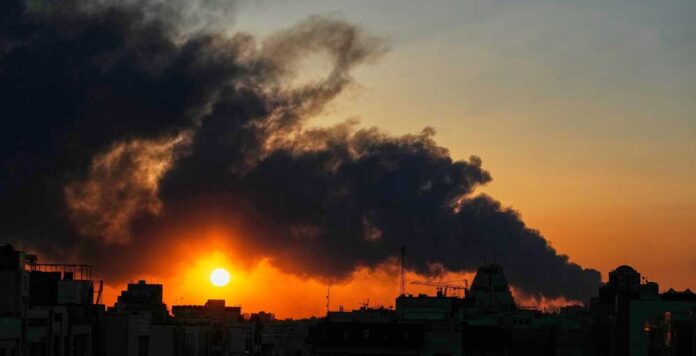
Global financial markets have reacted sharply to continued uncertainty surrounding the Iran conflict, with oil prices rising and equities experiencing downward pressure. The developments reflect a broader pattern in which geopolitical instability directly influences investor behavior, particularly in sectors closely tied to energy and international trade. As the situation remains unresolved, markets are adjusting to the possibility of prolonged volatility.
At the center of the market response is the impact on energy prices. The Middle East plays a critical role in global oil supply, and any disruption or perceived risk in the region can lead to immediate price fluctuations. The Strait of Hormuz, through which a significant portion of the world’s oil passes, remains a focal point of concern. Rising tensions have increased the risk premium associated with oil, driving prices higher and contributing to uncertainty across related industries.
Equity markets have responded with caution, reflecting concerns about the broader economic implications of sustained geopolitical tension. Investors often move away from riskier assets during periods of uncertainty, leading to declines in stock prices. This shift is particularly evident in sectors that are sensitive to energy costs, such as transportation, manufacturing, and consumer goods. Higher fuel prices can increase operational costs, affecting profitability and growth expectations.
The market reaction highlights the interconnected nature of global finance. Events in one region can have immediate and far-reaching effects on economies around the world. In this case, developments in the Middle East are influencing investment decisions in markets across North America, Europe, and Asia. This interconnectedness underscores the importance of stability in key regions and the role of geopolitical factors in shaping economic outcomes.
From an analytical perspective, the current situation illustrates how markets incorporate both actual events and anticipated risks. Even in the absence of direct disruption, the possibility of escalation can influence pricing and behavior. This forward-looking nature of markets means that perception plays a critical role, often amplifying the impact of geopolitical developments.
The rise in oil prices also has implications for inflation and monetary policy. Higher energy costs can contribute to increased prices for goods and services, potentially influencing central bank decisions. Policymakers may need to consider how sustained volatility in energy markets affects broader economic conditions, including growth and employment.
At the same time, the movement toward safer assets reflects a shift in investor priorities. During periods of uncertainty, there is often increased demand for assets perceived as stable, such as government bonds or certain commodities. This reallocation of capital can have significant effects on financial markets, influencing interest rates and investment flows.
The situation also highlights the role of communication in shaping market behavior. Statements from political leaders and developments in diplomatic efforts can influence expectations and, in turn, market reactions. As new information emerges, markets adjust rapidly, reflecting the dynamic nature of the current environment.
From a broader perspective, the ongoing uncertainty underscores the challenges of managing economic stability in a complex global landscape. Geopolitical risks are an inherent part of the system, and their impact on markets is both immediate and multifaceted. The ability to navigate these risks is a key consideration for investors, policymakers, and businesses alike.
While the current market response reflects caution, it also demonstrates resilience. Financial systems are designed to adapt to changing conditions, and periods of volatility often lead to adjustments that restore balance over time. However, the duration and intensity of the current situation will play a critical role in determining its long-term impact.
Implications
The market response to rising uncertainty in the Iran conflict highlights the strong connection between geopolitics and economic performance. Increased volatility in energy prices and equity markets reflects broader concerns about stability and growth.
Looking ahead, the situation emphasizes the importance of monitoring geopolitical developments as a key factor in economic decision-making. As markets continue to respond to evolving conditions, the focus will remain on managing risk while identifying opportunities within an uncertain environment.

