
Story Highlights
- Iran declines proposed short-term ceasefire
- Conflict shows no immediate signs of de-escalation
- Global concern rises over prolonged instability
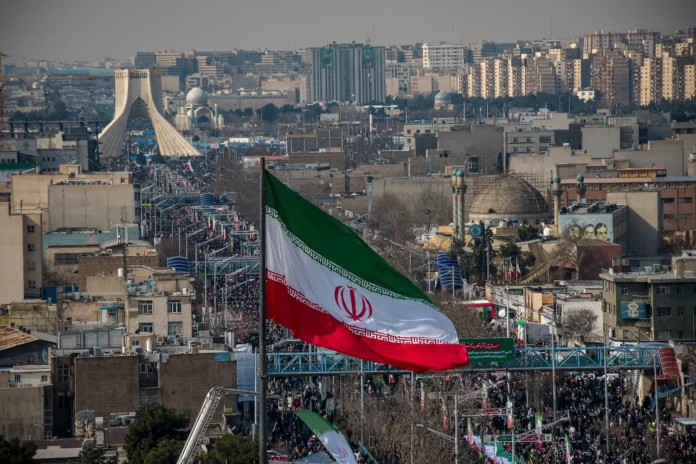
Geopolitical tensions in the Middle East remain elevated after Iran rejected a proposed short-term ceasefire, signaling that the current conflict is unlikely to ease in the immediate future. The rejection of the proposal highlights the complexity of the situation, where diplomatic efforts continue alongside ongoing strategic positioning. As a result, uncertainty remains a defining feature of the current environment.
The ceasefire proposal was intended as a temporary measure to create space for further negotiations and reduce immediate risks. Such initiatives are often used to open channels for dialogue and to prevent escalation. However, the decision to decline the offer suggests that key differences between the parties involved remain unresolved. This outcome indicates that efforts to reach a broader agreement may require additional time and negotiation.
From a geopolitical perspective, the continuation of tensions has implications that extend beyond the immediate region. The Middle East plays a central role in global energy supply, and instability in this area can influence markets and economic conditions worldwide. The absence of a ceasefire increases the potential for ongoing volatility, particularly in sectors linked to energy and trade.
The situation also reflects the challenges of diplomacy in complex conflict environments. Negotiations often involve multiple stakeholders with differing priorities and strategic objectives. Reaching consensus requires not only agreement on immediate actions but also alignment on longer-term goals. The rejection of the ceasefire proposal underscores the difficulty of achieving such alignment under current conditions.
The economic impact of continued tensions is closely tied to energy markets. Oil prices are sensitive to developments in the region, and prolonged uncertainty can contribute to fluctuations. This affects not only producers but also consumers and industries that depend on stable energy costs. The lack of progress toward de-escalation may therefore influence broader economic expectations.
In addition to economic considerations, the situation has implications for international relations. Countries with interests in the region are closely monitoring developments and may adjust their strategies accordingly. The absence of a ceasefire may lead to increased diplomatic activity, as stakeholders seek to manage risks and explore alternative pathways to stability.
From a strategic standpoint, the rejection of the proposal suggests that the current phase of the conflict is still evolving. Decisions made by the parties involved will continue to shape the direction of events. The focus remains on balancing immediate objectives with the need to avoid further escalation, a challenge that requires careful coordination and communication.
The role of public messaging is also significant in this context. Statements from officials can influence perceptions and expectations, both domestically and internationally. Clear communication helps manage uncertainty, even when outcomes remain unclear. In this case, the rejection of the ceasefire provides a signal about the current state of negotiations and the challenges ahead.
Another important aspect is the impact on global stakeholders. Countries that rely on stable trade routes and energy supplies are particularly sensitive to developments in the region. Continued tension may lead to adjustments in policy, investment, and strategic planning. This highlights the interconnected nature of global systems, where regional events can have widespread effects.
While the current situation reflects ongoing challenges, it also underscores the importance of continued diplomatic engagement. Even when proposals are declined, the process of negotiation remains essential for identifying potential solutions. Over time, sustained dialogue may create opportunities for progress, even in complex and evolving परिस्थितियाँ.
Implications
Iran’s rejection of the ceasefire proposal highlights the persistence of geopolitical tensions and the challenges of achieving immediate de-escalation. The situation reinforces the importance of ongoing diplomatic efforts and careful management of risks.
Looking ahead, continued uncertainty may influence both economic conditions and international relations. Monitoring developments and maintaining flexibility will be essential as the situation evolves.

