Story Highlights
- U.S. strengthens coordination with allies on global challenges
- Multilateral approach supports ongoing diplomatic efforts
- Collaboration aims to enhance stability and shared strategy
What Happened
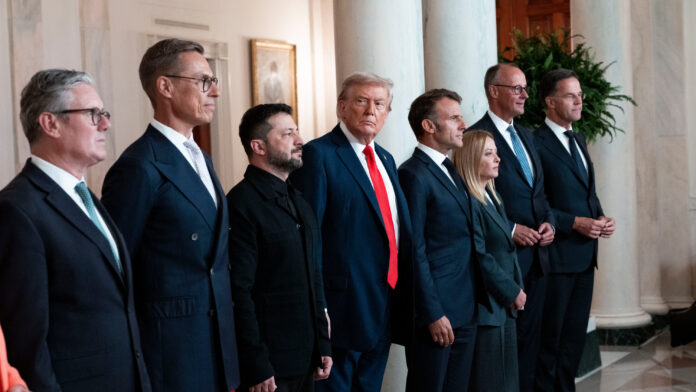
The United States is actively engaging with allied nations to coordinate a unified response to ongoing global challenges. Efforts aligned with President Trump’s policy direction emphasize collaboration and shared strategy in addressing complex geopolitical issues.
Recent diplomatic activity includes high-level discussions with key allies, focusing on aligning priorities and ensuring a consistent approach. These engagements are designed to strengthen cooperation and improve the effectiveness of joint initiatives.
The strategy highlights the importance of multilateral coordination, where countries work together to address challenges that extend beyond national borders. By aligning policies and actions, the United States and its partners aim to create more stable and predictable outcomes.
Officials indicate that ongoing communication and coordination are essential to maintaining momentum. The approach reflects a commitment to working with allies while advancing shared objectives.
Why It Matters
Collaboration with allies is critical in managing global challenges, as coordinated efforts are often more effective than individual actions. Strong partnerships can enhance diplomatic outcomes and support long-term stability.
From an economic perspective, aligned strategies can help reduce uncertainty in global markets. Cooperation among major economies can contribute to more predictable conditions for trade and investment.
The development also reinforces the importance of alliances in shaping international policy. Working together allows countries to leverage collective resources and expertise.
Additionally, coordinated responses can help address complex issues more efficiently, improving the likelihood of successful outcomes.
Political and Geopolitical Impact
Domestically, engagement with allies may influence discussions around foreign policy priorities and international commitments. Policymakers may evaluate the benefits of multilateral approaches.
The issue can also shape public perception of the United States’ role in global affairs, particularly in terms of leadership and cooperation.
Geopolitically, stronger coordination can enhance relationships with partner nations and influence global dynamics. It may also impact how other countries respond to shared challenges.
The approach reflects broader trends in international relations, where collaboration is increasingly important in addressing interconnected issues.
Implications
If coordination efforts continue successfully, they could lead to more effective management of global challenges and improved stability. Strong alliances can provide a foundation for long-term cooperation.
However, maintaining alignment among multiple partners can be complex and requires ongoing communication. Differences in priorities may need to be addressed.
In the long term, the focus on collaboration underscores the importance of strong international partnerships. Sustained engagement will be key to achieving shared goals.
Sources
“U.S. engages allies for coordinated response to global challenges”

