
Story Highlights
- Global markets fluctuate due to mixed economic indicators
- Investors balance growth data with ongoing uncertainties
- Market sentiment remains cautious despite selective gains
What Happened
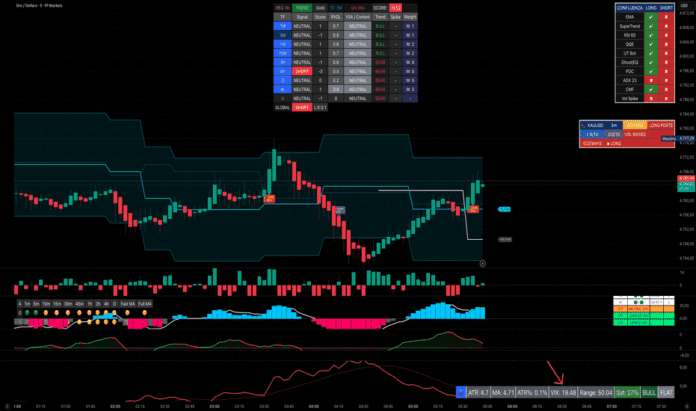
Global financial markets have experienced increased volatility as investors respond to a mix of economic data and external uncertainties. While some indicators point to continued growth, others suggest slowing momentum, creating a complex environment for decision-making.
Equity markets have shown uneven performance, with gains in certain sectors offset by declines in others. Investors are closely monitoring inflation data, interest rate expectations, and corporate earnings to assess the overall direction of the economy.
At the same time, external factors such as geopolitical developments and energy price fluctuations are adding to market uncertainty. These elements are influencing investor sentiment and contributing to short-term market movements.
Trading patterns indicate a cautious approach, with market participants focusing on risk management while seeking opportunities in specific sectors. This has resulted in a more selective and dynamic investment landscape.
Why It Matters
Market volatility is an important indicator of investor sentiment and economic stability. Fluctuations can signal uncertainty, but they can also create opportunities for strategic investment.
For businesses, market conditions can influence access to capital, investment decisions, and overall financial planning. Stability in financial markets is essential for sustained economic growth.
For investors, the current environment highlights the importance of diversification and risk management. Balancing potential returns with exposure to uncertainty is key in volatile conditions.
Additionally, market movements often reflect broader economic trends, making them a valuable tool for understanding the health of the global economy.
Political and Geopolitical Impact
Domestically, market performance can influence economic policy discussions, particularly around interest rates, fiscal measures, and financial regulation. Policymakers may respond to volatility with strategies aimed at maintaining stability.
The situation can also affect public confidence, as financial markets are closely linked to perceptions of economic health.
Geopolitically, global markets are interconnected, and developments in one region can impact others. Economic signals from major economies often shape international investment flows and trade relationships.
The current volatility reflects a broader global environment where economic and geopolitical factors are closely intertwined.
Implications
If mixed economic signals persist, markets may continue to experience volatility, requiring investors and businesses to remain adaptable. Strategic decision-making will be essential in navigating uncertain conditions.
However, clearer economic trends could help stabilize markets and improve confidence, supporting more consistent growth.
In the long term, the situation highlights the importance of resilience in financial systems. Strong fundamentals and effective policy responses will play a key role in maintaining stability.
Sources
“Global markets fluctuate as investors assess mixed economic signals and risks”

