Story Highlights
- Lawmakers advance efforts to strengthen oversight of executive authority
- Focus on reinforcing checks and balances within government
- Debate centers on limits of presidential decision-making
What Happened
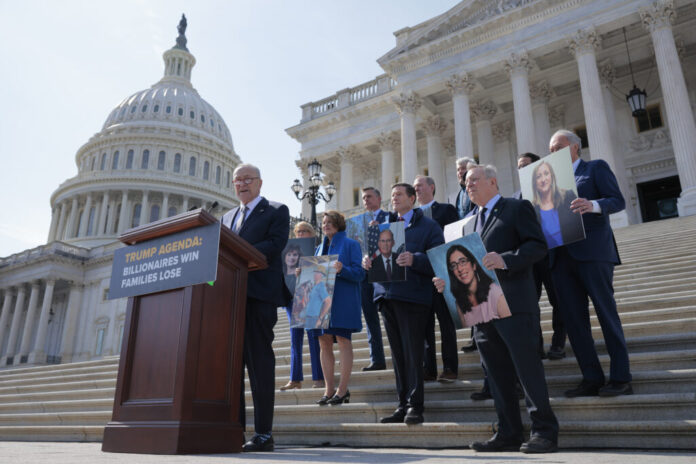
U.S. lawmakers are advancing new efforts to increase oversight of executive power, reflecting ongoing discussions about the balance of authority within the federal government. The proposals aim to reinforce checks and balances and ensure greater accountability in decision-making.
The measures under consideration include increased reporting requirements, expanded congressional review processes, and potential limitations on certain executive actions. Lawmakers from different perspectives are engaging in debates about how best to structure these changes.
Supporters argue that stronger oversight is necessary to maintain transparency and uphold democratic principles. They emphasize the importance of ensuring that executive actions align with legislative intent and constitutional guidelines.
Opponents, however, caution that excessive limitations could reduce flexibility in responding to urgent situations. The discussions highlight the complexity of balancing accountability with the need for timely decision-making.
Why It Matters
The issue of executive oversight is central to the functioning of the U.S. government. Maintaining a balance between branches of power is essential for ensuring stability and accountability.
For policymakers, the debate reflects broader concerns about governance and the effectiveness of existing systems. Adjustments to oversight mechanisms can have long-term implications for how decisions are made.
The development also has implications for public trust. Transparent and accountable governance can strengthen confidence in institutions, while concerns about overreach may have the opposite effect.
Additionally, the outcome of these discussions could influence future policy decisions and the overall structure of government authority.
Political and Geopolitical Impact
Domestically, the debate over executive power is likely to remain a key political issue, shaping legislative priorities and public discourse. Lawmakers may continue to refine proposals based on feedback and negotiation.
The issue may also influence relationships between different branches of government, affecting how policies are developed and implemented.
Geopolitically, changes in U.S. governance structures can have indirect effects on international relations. The ability to make decisions efficiently and consistently is important in managing global partnerships.
The situation reflects broader democratic principles that are often observed and analyzed by other countries.
Implications
If new oversight measures are implemented, they could lead to increased transparency and accountability in government decision-making. This may strengthen institutional balance.
However, the changes may also require adjustments in how policies are executed, particularly in situations that demand quick responses.
In the long term, the development highlights the importance of maintaining a functional and balanced system of governance. Ongoing evaluation and adaptation will be key to ensuring effectiveness.
Sources
“U.S. lawmakers push new oversight measures on executive authority”

