Story Highlights
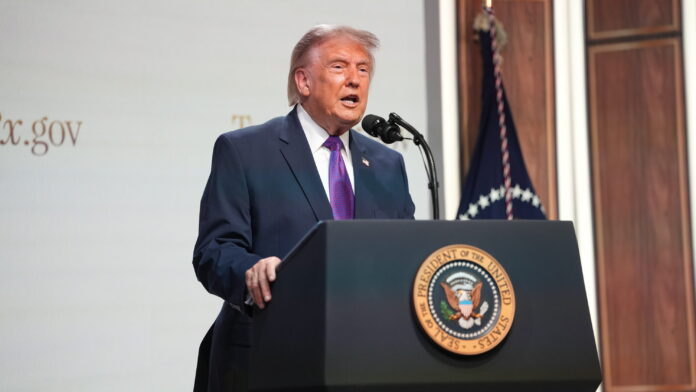
- Trump said a deal to end the Iran war could take “a few days,” while again threatening renewed military strikes if negotiations collapse
- Iran’s semiofficial ISNA news agency reported that Washington’s latest proposal had “reduced the gaps to some extent” between the two sides
- Pakistan’s army chief visited Tehran as part of efforts to help bridge remaining differences and reach formal acceptance of a memorandum of understanding
What Happened
A new burst of diplomatic action intensified on Thursday in a push to break the deadlock between the United States and Iran. Tehran was responding to Washington’s latest proposal, which had “reduced the gaps to some extent” between the two sides, according to the semiofficial ISNA news agency. The agency reported that a visit by Pakistan’s army chief was “aimed at reducing these gaps and reaching the point of officially announcing acceptance of the memorandum of understanding.”
President Donald Trump initiated what his administration called major combat operations against Iran on February 28, 2026, launching massive joint U.S.-Israeli strikes targeting military, government, and infrastructure sites. Following a two-week ceasefire, initial talks in Pakistan failed to produce a peace agreement. Trump subsequently announced an open-ended extension of the ceasefire alongside a continued U.S. naval blockade, leaving both sides in an uneasy standoff that has persisted for months.
With the war in Iran now past the 12-week mark, Trump has threatened for weeks to restart attacks if the country does not reach a deal with the U.S., but has yet to commit. Trump has demanded that Iran open the Strait of Hormuz and turn over enriched uranium to prevent it from developing nuclear weapons.
Trump told reporters he had put off further action at the request of Saudi Arabia, Qatar, the UAE, and other regional partners, who believed they were “very close to making a deal.” The president made clear that patience on the American side was running thin, framing the decision to pause as a diplomatic courtesy rather than a retreat.
Secretary of State Marco Rubio and White House envoys have been engaged in back-channel communications with Iranian counterparts for weeks. The administration’s core demands — verified denuclearization, the reopening of the Strait of Hormuz, and an end to Iranian support for regional proxy forces — have remained consistent throughout the negotiating process, though the sequencing and timeline for implementation have proven contentious.
Why It Matters
The outcome of these negotiations will define the security architecture of the Middle East for a generation. If Trump succeeds in extracting a binding agreement that curtails Iran’s nuclear ambitions and reopens critical shipping lanes, it would represent one of the most consequential diplomatic achievements of any modern American presidency. Conversely, a breakdown in talks and a resumption of military strikes would escalate an already costly conflict with unpredictable consequences across the region.
For American voters, the war’s domestic costs are already substantial. The latest inflation report shows prices at their highest in three years, driven by the spike in fuel costs caused by the closure of the Strait of Hormuz. Everyday Americans are paying more at the pump and in grocery aisles as a direct result of disrupted global energy flows, making a negotiated resolution a pressing economic priority, not merely a foreign policy objective.
The administration has also faced growing pressure from within its own coalition. The conflict has created fault lines inside the Republican Party, with some figures questioning the legal authority and strategic rationale for the campaign. Trump’s response has been aggressive — arguing that congressional authorization requirements do not apply because, in his framing, hostilities have formally concluded, even as negotiations over the terms of peace remain unresolved.
Allied governments in Europe and Asia are watching closely. A durable peace deal would ease supply chain pressures and restore confidence in Middle Eastern stability, while a renewed military campaign would send energy prices higher and potentially draw other regional powers deeper into the conflict. The stakes for American credibility on the world stage are considerable.
Economic and Global Context
The Strait of Hormuz remains one of the most strategically vital chokepoints in the global economy, carrying an estimated 20 percent of the world’s oil supply. Its effective closure since February has sent crude oil prices surging, with knock-on effects felt across virtually every sector of the U.S. economy. Gasoline prices have climbed sharply, transportation costs have increased, and inflation that had been trending downward reversed course in the first quarter of 2026.
U.S. GDP growth slowed to 2 percent in the January-through-March period, below expectations, with economists attributing a significant share of the underperformance to higher energy costs and supply chain disruption tied to the Iran conflict. Federal Reserve policymakers have been placed in a difficult position, facing inflationary pressure from an external geopolitical shock rather than overheating domestic demand — a scenario in which traditional monetary tools offer limited relief.
Global oil markets have been further destabilized by uncertainty over the conflict’s duration. Producers in Saudi Arabia, the UAE, and Qatar have pushed for a swift resolution not only out of regional solidarity but out of direct economic self-interest, as the current disruption undermines their long-term ability to attract infrastructure investment and maintain stable export revenues.
Regional actors including Pakistan have positioned themselves as indispensable mediators, a role that carries diplomatic dividends regardless of the outcome. China has watched the negotiations carefully, as any resolution that reshapes Middle Eastern energy flows will directly affect Beijing’s long-term energy security strategy and its relationship with Tehran.
Implications
If a deal is reached within the timeframe Trump has outlined, the administration will claim a historic foreign policy victory, one that will be central to the Republican electoral argument heading into the fall midterm campaigns. A successful resolution would validate Trump’s strategy of maximum pressure combined with conditional engagement and could reshape how future administrations approach rogue-state diplomacy.
If negotiations collapse and the U.S. resumes strikes, the consequences would extend far beyond Iran’s borders. Financial markets would likely react sharply to renewed conflict, energy prices would surge further, and allied governments would face intense domestic pressure to distance themselves from American military action. The risk of Iranian retaliation against U.S. assets and regional partners would also rise significantly.
For congressional Republicans, the deal’s success or failure will influence how they approach the broader authorization debate. Trump’s assertion that hostilities have “terminated” — even as ceasefire terms remain unsettled — has generated unease among lawmakers concerned about executive overreach, and a return to active combat would reignite that debate with far greater urgency.
The coming days will test whether Trump’s blend of economic coercion, military threat, and last-minute diplomacy can produce a durable agreement, or whether the administration will once again find itself at a crossroads where no good options remain.
Sources

