Story Highlights
- U.S. and Iranian negotiators have agreed to a draft 60-day memorandum of understanding to extend the ceasefire and open the Strait of Hormuz
- Oil prices fell sharply Friday — Brent crude dropped to $92.21 per barrel on optimism a deal could be finalized
- The deal still requires sign-off from both President Trump and Iran’s Supreme Leader before taking effect
What Happened
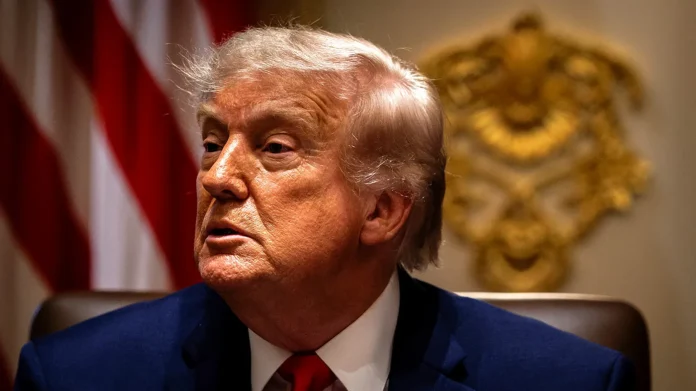
President Donald Trump announced Friday morning that he was meeting in the White House Situation Room to make a “final determination” on a proposed short-term agreement with Iran, hours after U.S. officials confirmed that negotiators from both nations had arrived at a tentative framework. The announcement came after weeks of escalating negotiations, military exchanges, and mounting pressure from global energy markets desperate for resolution.
The proposed agreement — structured as a 60-day memorandum of understanding — would lift restrictions on the Strait of Hormuz, restoring commercial shipping through the critical waterway, and begin a formal negotiation period focused on Iran’s nuclear program. The fate of Iran’s stockpile of highly enriched uranium remains one of the most contentious sticking points, with Trump insisting that any deal include a commitment by Tehran to abandon pursuit of a nuclear weapon.
Vice President JD Vance told reporters Friday that the status of the agreement remained “TBD,” adding that both sides were still working through a small number of language disagreements. Meanwhile, Secretary of State Marco Rubio reiterated the administration’s position that the U.S. would give diplomacy every opportunity to succeed but that other options remain available if talks collapse — widely understood as a reference to renewed military operations.
Iran’s chief negotiator added an element of uncertainty by signaling that Tehran would take no action before the United States moved first, while there has been no public confirmation that Iran’s Supreme Leader Mojtaba Khamenei has formally approved the agreement’s terms. Adding further complications, the State Department and Treasury Department announced a new round of sanctions on Iran’s oil trade Thursday evening — even as negotiations were continuing — underscoring the fragility of the diplomatic process.
Why It Matters
The stakes of this decision are enormous. If Trump approves the memorandum of understanding and Iran follows through, it would mark the first major diplomatic resolution of a direct U.S. military engagement with Iran — a conflict that began on February 28 with massive joint U.S.-Israeli strikes targeting military, government, and infrastructure sites across the country. The months of fighting, combined with the near-total closure of the Strait of Hormuz, have destabilized global energy markets and hammered American consumers at the gas pump.
For ordinary Americans, the most immediate impact has been at the gas station. Average pump prices rose dramatically after the conflict began, with gasoline remaining well above $4 per gallon nationally in recent weeks. Analysts at GasBuddy have noted that even with a deal signed, prices will likely remain elevated for months as global supply chains gradually normalize. A permanent diplomatic resolution — or even a credible 60-day pause — would provide meaningful relief.
The deal also carries significant political weight for the Trump administration. The president campaigned on a “peace through strength” platform, and a negotiated resolution to the Iran conflict — after launching the strikes himself — would allow him to claim victory on both fronts. Successfully ending the war would also remove one of the central policy pressures threatening Republican prospects in the 2026 midterms, where voter anxiety about inflation and military escalation has been rising.
There are real risks, however. Both Trump and Iranian leadership have walked away from agreements at late stages of negotiations before. Congressional Republicans and Democrats alike have been skeptical that Iran’s fractured regime can coalesce behind any agreement, and hardliners within Tehran remain openly hostile to the terms being discussed. The coming 72 hours will be decisive.
Economic and Global Context
Global oil prices have tumbled by approximately 20% from their 2026 highs as investors have grown increasingly optimistic about prospects for a long-lasting ceasefire deal that would unlock shipping through the Strait of Hormuz. Before the conflict, the strait accounted for roughly 20% of global energy supply — an enormous share that cannot be easily redirected through alternative routes.
Brent crude dropped 1.6% to $92.21 per barrel by early Friday morning, and West Texas Intermediate decreased 1.53% to $87.54 per barrel, as markets priced in the increasing likelihood of a deal. Even so, analysts at UBS cautioned that there is still little evidence of short-term improvement in vessel traffic or energy flows through the Strait, and that even a partial reopening would take time to translate into lower prices at the pump.
The International Energy Agency has warned that as summer travel demand grows, oil markets could enter a critical pressure zone by July if the Strait remains closed. Energy executives have broadly predicted that full normalization of Middle East oil supply may not occur until 2027 given the scale of infrastructure damage caused by the conflict. OPEC+ nations have attempted to cushion the shock by increasing production quotas, but those volumes fall far short of what normally transits through Hormuz.
European equities rose Friday on the deal optimism, with investors taking comfort in expectations that a proposed agreement to extend the Middle East ceasefire and restore shipping through the Strait of Hormuz could be finalized. Asian markets with acute fuel needs, which take weeks to receive shipments from the Gulf region, remain especially exposed to continued disruption.
Implications
If Trump signs the memorandum of understanding, the immediate priority will be implementing the ceasefire extension and beginning the complex process of negotiating Iran’s nuclear future. Those talks — centered on the fate of Tehran’s highly enriched uranium stockpile — are expected to be extraordinarily difficult. U.S. negotiators have insisted the uranium must be removed from Iran entirely, while Tehran has resisted any arrangement that it views as surrendering its strategic deterrent.
Shipping companies and tanker operators will watch carefully before resuming large-scale transits through Hormuz, even with a signed deal. Insurance premiums for vessels passing through the region remain extremely elevated, and any resumed military activity — even accidental — could send prices soaring again. Analysts estimate that full freight normalization could take between two and six months after a genuine ceasefire takes hold.
For the Republican Party heading into midterms, a successful deal would be a major political asset — giving Trump the ability to argue that he started the conflict, destroyed Iran’s military capability, and then negotiated from a position of strength. If talks collapse and strikes resume, the political dynamics shift sharply, with American families continuing to bear the cost at the gas station and grocery store. The next 48 hours will define the trajectory of this conflict for months to come.
Sources

