Story Highlights
- Over 60 U.S. military strikes on alleged drug boats have killed approximately 193 people since September 2025
- The Pentagon’s inspector general is now evaluating whether proper targeting protocols were followed
- Critics including Human Rights Watch and former international criminal court prosecutors have called the strikes unlawful
What Happened
President Donald Trump has authorized a sustained campaign of lethal military strikes against small boats in Latin American waters that the administration characterizes as narco-terrorist vessels affiliated with Venezuelan organized crime networks, particularly the Tren de Aragua gang. The first strike occurred on September 2, 2025, killing 11 people aboard a vessel the administration claimed was transporting drugs to the United States. Since then, the pace of operations has only accelerated, with the campaign now logging more than 60 confirmed strikes.
Since the first operation in September, the U.S. military has carried out over 60 strikes in the Caribbean and eastern Pacific against alleged drug boats, killing almost 200 people who it says were affiliated with drug organizations. The most recent confirmed strike killed two people in the eastern Pacific Ocean, with U.S. Southern Command stating that the targeted vessel was transiting along known narco-trafficking routes. No evidence of drugs aboard the vessel was made public.
Defense Secretary Pete Hegseth has dubbed the broader operation “Operation Southern Spear” and has argued that the campaign is essential to stemming the flow of illegal narcotics into the United States. Trump has referred to the strikes as acts of national defense, declaring the U.S. to be in “armed conflict” with cartels in Latin America and tying the campaign explicitly to the January 2026 capture of former Venezuelan President Nicolás Maduro, who was transported to New York to face federal drug trafficking charges and has pleaded not guilty.
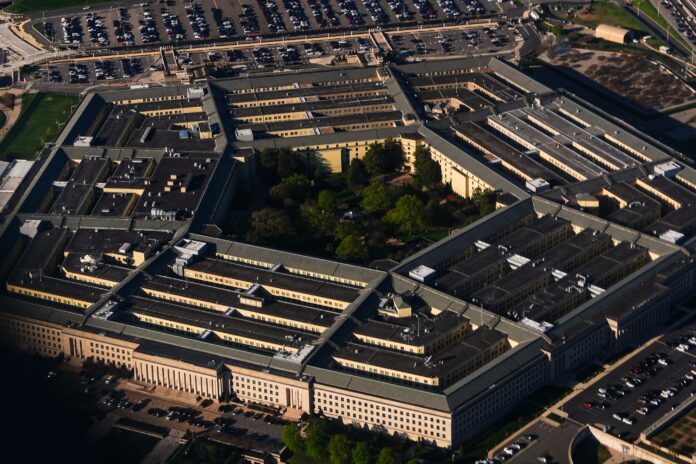
The Pentagon watchdog will evaluate whether the U.S. military followed an established targeting framework when carrying out attacks on dozens of alleged drug-smuggling boats, focusing specifically on the six-phase Joint Targeting Cycle, which includes a military commander’s intent, target development, analysis, decision, execution, and assessment. That review was formally announced via a May 11 letter to Defense Department officials and represents one of the most significant institutional checks on the campaign since it began.
Why It Matters
The legal basis for the strikes has been disputed from the very first operation. The Trump administration has justified its authority on the grounds that the targeted gangs, including Tren de Aragua, are designated Foreign Terrorist Organizations, and that the president has inherent authority to use lethal force against them. Legal scholars, however, have argued that the designation of criminal organizations as terrorist groups does not provide the same legal architecture as a formal authorization for use of military force against a state actor.
Critics argue that lethal force against civilians — regardless of suspected criminal activity — is prohibited unless they pose an imminent violent threat. Some former International Criminal Court prosecutors have gone as far as calling the operations systematic extrajudicial killings. The absence of publicly available evidence that the targeted vessels were actually carrying drugs has added to bipartisan skepticism in Congress, where even some Republicans have raised questions about the operations’ legal foundation. PBS
For American families affected by the fentanyl crisis, the political appeal of the strikes is visceral. Trump has consistently framed the campaign as a direct response to drug overdose deaths that claimed tens of thousands of American lives annually. The narrative is simple and powerful: the military is destroying the supply chain before it reaches American communities. Whether the strategy is actually reducing drug flows into the United States, however, remains unverified, as no comprehensive data on seizure volumes or trafficking route changes has been published.
The Pentagon watchdog review could become a significant political and legal flashpoint. If the inspector general finds that targeting protocols were not properly followed, it could provide the foundation for congressional investigations, legal challenges, or — in more dramatic scenarios — referrals to international bodies. The administration has so far rejected all such concerns as politically motivated.
Economic and Global Context
The campaign has created serious diplomatic friction throughout Latin America. Venezuela’s government — even in the post-Maduro transition period — has condemned the strikes as acts of war. Colombia and Ecuador, countries identified as locations where survivors of U.S. strikes have been sent for “detention and prosecution,” have publicly expressed discomfort with the arrangement. Brazil has raised the operations at the Organization of American States, framing them as a violation of international law and Latin American sovereignty.
Economically, the disruption to trade and shipping in the Caribbean has had a measurable ripple effect on regional commerce. Fishing industries in Trinidad and Tobago and other island nations have reported sharp declines in offshore activity as crews fear being mistaken for drug traffickers. Insurance premiums for commercial vessels transiting certain Caribbean corridors have risen sharply, adding operational costs to legitimate shipping operations.
Within the United States, the drug seizure and enforcement agencies — including the DEA and Coast Guard — have publicly supported the military campaign while noting that maritime interdiction alone will not solve the domestic drug crisis. Economists and public health experts have pointed out that demand-side interventions remain the most cost-effective approach to reducing overdose deaths, a point that sits awkwardly alongside the administration’s near-exclusive focus on supply-side military action.
Implications
The Pentagon watchdog review is unlikely to halt the strikes in the short term, but its findings could create significant legal and legislative complications for the administration’s broader Latin American strategy. If the inspector general concludes that targeting rules were violated, congressional oversight committees — even in the Republican-led House — may feel pressure to request classified briefings or formal legal justifications from the Defense Department.
Internationally, the continued campaign keeps the U.S. in a posture of sustained military engagement in Latin American waters with no formal authorization from Congress and no clear end state defined. As the 2026 midterms approach, the administration will need to demonstrate not just activity but results: measurable reductions in drug trafficking that can be communicated to voters. Without that evidence, the campaign risks becoming a political liability despite its initial popularity.
Sources
“U.S. strikes another suspected drug-smuggling boat, killing two people”

