

Story Highlights
- Paxton defeated Cornyn following Trump’s May 19 endorsement, becoming the GOP Senate nominee for Texas
- The Texas race became the most expensive Senate primary in U.S. history, with total spending exceeding $100 million
- Democrats now view Texas as a potential pickup opportunity, with Paxton carrying serious legal and personal baggage
What Happened
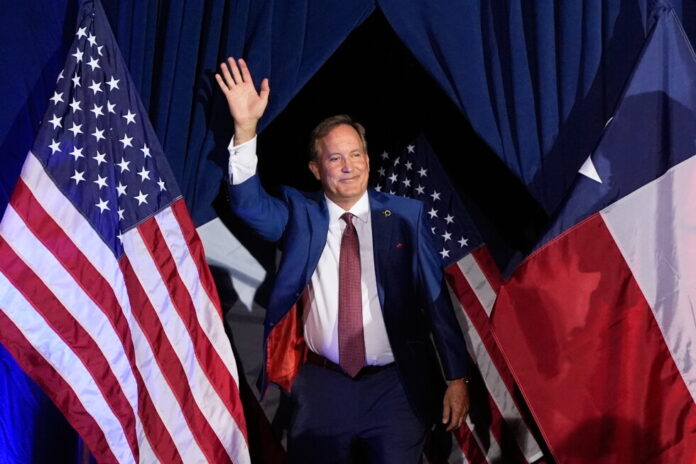
On May 26, Texas Attorney General Ken Paxton defeated incumbent Republican Senator John Cornyn in the state’s GOP Senate primary runoff, capping one of the most turbulent and expensive intraparty fights in modern American political history. Paxton’s victory came one week after President Donald Trump posted a lengthy endorsement on Truth Social, calling Paxton “a true MAGA Warrior who has ALWAYS delivered for Texas.” Of Cornyn, Trump wrote that he was “a good man” but “was not supportive of me when times were tough.”
The endorsement detonated the race. Cornyn, who had served in the Senate since 2002 and held leadership positions in the Republican caucus for years, had been considered a heavy favorite going into the runoff. Senate Republican leadership had invested significant resources in his reelection and repeatedly urged Trump to stay neutral or side with the incumbent. Trump declined.
Paxton, who advanced past Cornyn in the March 3 primary before a runoff was triggered, thanked Trump effusively in his victory speech and pledged to champion the president’s agenda in Washington. “Tonight, we just sent a Texas-sized message to Washington,” Paxton said at his Plano election night event. “Change won.” Cornyn, speaking to supporters in Austin, said he would support the eventual Republican ticket but pointedly did not mention Paxton’s name.
The defeat of Cornyn came just days after Trump helped oust Senator Bill Cassidy of Louisiana, one of seven Republican senators who had voted to convict Trump following the January 6 Capitol riot. Cassidy received just 25 percent of the primary vote, failing to advance to a runoff behind Trump-endorsed Representative Julia Letlow. A week before that, Representative Thomas Massie of Kentucky — whom Trump had called “the worst congressman in the history of our country” — was defeated by Navy veteran Ed Gallrein in a race that became the most expensive House primary in U.S. history, with more than $32.6 million in advertising spending.
Why It Matters
The Paxton victory is a defining moment in the 2026 cycle for what it reveals about the structure of power within the Republican Party. Trump endorsed ten candidates against sitting Republican incumbents during May’s primaries and won all but two of those contests. The message to every sitting Republican officeholder is stark: crossing the president, even on procedural or ethical grounds, carries an electoral price that party loyalty and seniority cannot protect against.
For Cornyn specifically, the defeat ends a two-decade Senate career that included senior leadership roles and extensive relationships with the business and defense community. His transgressions in Trump’s view were largely attitudinal — he once suggested in 2023 that Trump’s political moment had “passed him by,” he initially stayed neutral in the 2016 primary, and he described the classified documents charges against Trump as “very serious.” None of these positions were ideological apostasy, but in the current GOP primary environment, none were survivable once Trump turned against him.
The broader implication is a Republican conference in Washington that will be shaped even more decisively by loyalty to the president than the current one. If Paxton wins in November, the Senate gains a member who views his mandate as advancing Trump’s agenda rather than exercising independent legislative judgment. Multiply that across several contested primaries and the incremental shift in the caucus character becomes significant.
Economic and Global Context
The Texas Senate race carries national financial stakes that go beyond the political drama. The state is the largest oil and gas producing state in the country and a central player in energy, technology, and border security policy. The senator it sends to Washington shapes regulatory frameworks that directly affect commodity markets, tech investment, and trade flows.
Paxton’s background as attorney general, where he pursued aggressive legal challenges against federal regulations and led multistate lawsuits on everything from election law to environmental policy, signals that his approach in the Senate will be combative and litigation-oriented. That posture aligns well with Trump’s deregulatory agenda but could also create volatility in policy areas where business interests require predictability.
The $100 million-plus total spending figure on the primary is itself an economic and political signal. The flow of super PAC money, including millions from Trump-aligned organizations, underscores how the MAGA political infrastructure has become one of the most powerful financial forces in American electoral politics.
Implications
The November general election between Paxton and Democratic nominee James Talarico, a state legislator, will be one of the most closely watched races of the 2026 cycle. Cornyn’s campaign and Senate Republican leadership repeatedly argued that Paxton’s legal history — a securities fraud indictment later settled, a Texas House impeachment followed by a Senate acquittal, and a recent divorce filed by his wife on what she described as “biblical grounds” — made him a weaker general election candidate than the incumbent.
Democrats are now mobilizing significant resources around the possibility of a Texas upset. Combined with Trump’s low approval ratings nationally, a Paxton candidacy in a state that has been trending incrementally toward competitiveness gives the opposition party its best opening to flip a Texas Senate seat in decades.
For the Republican Party’s congressional leadership, the takeaway is uncomfortable but clear: Trump’s retribution campaign is effective within primaries but may produce nominees who are harder to elect in Novembers that reach beyond the base.
Sources

