Story Highlights
- Trump has discussed a potential return to full-scale war with Iran with Defense Secretary Pete Hegseth and Joint Chiefs Chairman Gen. Dan Caine
- U.S. envoys Jared Kushner and Steve Witkoff met with Qatar’s prime minister in Doha, though no direct U.S.-Iran talks occurred
- Oman has delivered a proposal on the future of the Strait of Hormuz amid a raised security threat level
What Happened
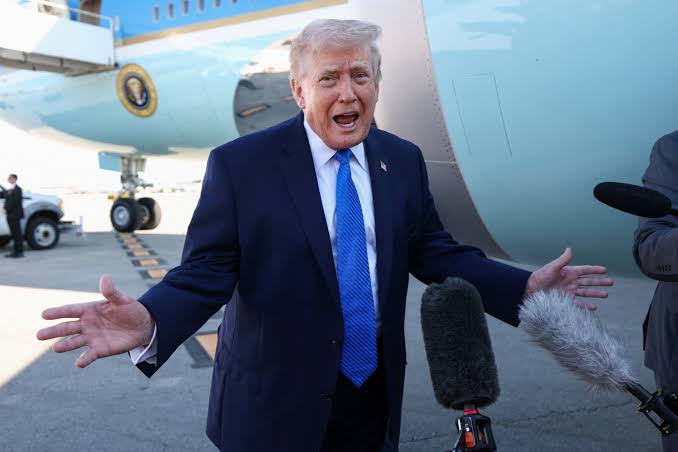
According to U.S. officials cited by the Wall Street Journal, President Trump has weighed a return to all-out military conflict with Iran in recent days, holding multiple conversations with Defense Secretary Pete Hegseth and Chairman of the Joint Chiefs of Staff General Dan Caine about the option. Despite those discussions, Trump has decided for now to continue pursuing diplomatic negotiations rather than resuming large-scale strikes. Officials said the president has told aides he is comfortable with negotiations extending past an August 18 deadline previously set for reaching a nuclear agreement with Tehran, and that he remains satisfied with a strategy of ordering targeted, one-off strikes on Iranian targets when he judges that Iran has violated the terms of the current arrangement.
As part of the ongoing diplomatic track, U.S. envoy Steve Witkoff and Jared Kushner, President Trump’s son-in-law and a former senior Middle East negotiator, traveled to Doha this week for what the White House described as “high-level” talks. However, Qatari officials clarified that the meetings were with regional mediators rather than direct engagement with Iranian representatives. Qatar’s Foreign Ministry spokesperson Majed al-Ansari stated that Witkoff and Kushner were in Doha “to meet with the mediators with Qatari officials,” emphasizing that “they are not here for direct negotiations with the Iranians.” Al-Ansari also confirmed that $6 billion in frozen Iranian funds has not yet been transferred to Tehran, with the transfer contingent on further progress in negotiations.
Kushner brings substantial regional experience to the current effort, having led Middle East policy during Trump’s first term, including negotiating the Abraham Accords that normalized diplomatic relations between Israel and several Arab states. Since leaving government in 2021, Kushner has built an extensive private equity business, Affinity Partners, which has received billions of dollars in investment from sovereign wealth funds in Saudi Arabia, the United Arab Emirates, and Qatar, ties that Kushner has said do not represent a conflict of interest in his current advisory role.
Separately, Oman has delivered a proposal to the United States and allied nations concerning the future security posture of the Strait of Hormuz, according to a regional diplomat and a U.S. source familiar with the matter. While commercial shipping traffic through the strait has remained steady, the security threat level has been raised to “substantial” due to concerns about naval mines and the need for ongoing clearance operations in the waterway, one of the world’s most critical energy transit chokepoints.
Adding another layer of complexity to the regional picture, Iranian authorities have announced plans to hold funeral ceremonies for slain Supreme Leader Ali Khamenei across Iran and Iraq from July 4 through July 9, months after his death, a delay that has fueled speculation about the condition of his son and successor and drawn criticism from detractors who allege the state is attempting to artificially inflate public attendance at the events.
Why It Matters
The decision to continue pursuing diplomacy rather than resuming full military action represents a significant strategic choice with implications for regional stability, U.S. military posture, and global energy markets. Trump’s willingness to extend negotiations beyond the previously stated August deadline, while reserving the option of targeted strikes for perceived violations, reflects an approach that seeks to balance deterrence with diplomatic flexibility, though it also introduces uncertainty about the durability of any eventual agreement.
The involvement of Kushner, whose private business interests are deeply intertwined with Gulf state sovereign wealth funds, in sensitive negotiations concerning those same countries’ regional security interests continues to raise questions about the separation between personal financial relationships and official diplomatic responsibilities within the Trump administration’s foreign policy apparatus.
The heightened security posture around the Strait of Hormuz carries direct implications for global energy security, given that a substantial share of the world’s seaborne oil and gas shipments transit the waterway. Any disruption, whether through mining, military confrontation, or extended closure, would have immediate and significant effects on global energy prices and supply chains.
Economic and Global Context
The Strait of Hormuz remains one of the most strategically significant chokepoints in global energy markets, with a substantial portion of the world’s oil and liquefied natural gas exports passing through the narrow waterway daily. The elevated “substantial” threat designation, driven by concerns over mines and the need for ongoing clearance operations, introduces risk premiums into global energy pricing even as commercial traffic has continued largely uninterrupted so far.
The unresolved status of the $6 billion in frozen Iranian funds represents a significant financial lever in the ongoing negotiations, with its release contingent on further diplomatic progress, according to Qatari officials. This sum, along with broader questions about sanctions relief, remains central to any eventual comprehensive agreement between Washington and Tehran.
Globally, the involvement of Qatar and Oman as intermediaries reflects the continued importance of Gulf state diplomacy in managing U.S.-Iran tensions, with both nations maintaining working relationships with Tehran that Washington lacks directly, positioning them as essential channels for any negotiated resolution.
Implications
For policymakers and military planners, the coming weeks will be critical in determining whether diplomatic channels can produce meaningful progress before the informal August 18 target date, or whether the administration ultimately reverts to a more aggressive military posture as previously discussed among top defense officials.
For global energy markets, continued elevated threat levels around the Strait of Hormuz will likely keep energy traders and international shipping companies on alert, with any escalation carrying the potential for immediate price volatility and supply chain disruption.
For regional allies including Qatar, Oman, and Saudi Arabia, their continued role as intermediaries underscores the delicate diplomatic balancing act these nations maintain between their relationships with Washington and their own regional security interests, a dynamic likely to persist as negotiations continue in the months ahead.
Sources
Trump Weighs Return to Iran War as Diplomatic Deadline Looms

