
Situation Overview
Republican senators are advancing new legislation aimed at strengthening U.S. supply chains, arguing that recent global disruptions have exposed vulnerabilities in the nation’s economic infrastructure. Lawmakers say the United States must reduce dependence on foreign suppliers—especially in critical sectors such as technology, energy, and manufacturing—to ensure long-term economic stability and national security.
The push reflects growing bipartisan concern in Washington about supply chain resilience following disruptions caused by global events, geopolitical tensions, and shifting trade dynamics. Republican leaders are now emphasizing the need for policies that prioritize domestic production and strategic sourcing of key materials.
Supporters of the proposal argue that securing supply chains is essential for maintaining economic competitiveness and protecting American industries.
What Happened
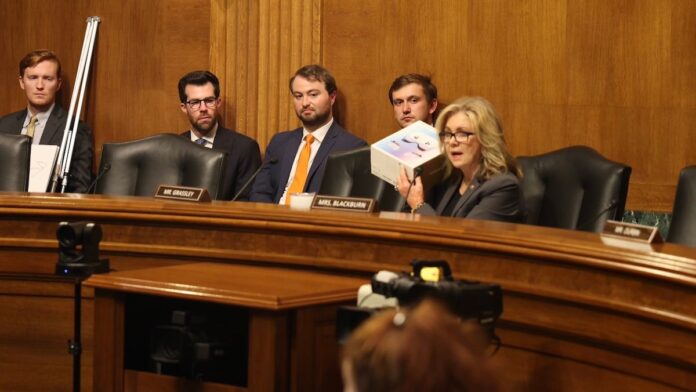
The legislation was introduced during a Senate policy discussion focused on strengthening domestic production and improving supply chain reliability.
Republican lawmakers outlined several strategies aimed at reducing reliance on foreign suppliers while supporting American industries.
Key provisions under consideration include:
- Incentives for companies to relocate manufacturing to the United States
- Expanded investment in domestic production of critical materials
- Strengthened monitoring of foreign supply chain dependencies
- Policies encouraging diversification of supply sources
- Support for industries considered essential to national security
- Lawmakers emphasized that supply chain disruptions in recent years have affected multiple sectors, including technology manufacturing, healthcare supplies, and energy infrastructure.
Several senators also noted that over-reliance on foreign production can create economic risks during periods of geopolitical tension.
By strengthening domestic capabilities, supporters say the United States can build a more resilient and self-sufficient economic system.
Trump/GOP Response
Republican leaders have linked the proposal to policies promoted during the administration of Donald Trump, which focused heavily on reshoring manufacturing and reducing dependence on foreign supply chains.
During his presidency, Trump introduced tariffs and trade policies designed to encourage domestic production and address trade imbalances. He frequently emphasized the importance of bringing manufacturing jobs back to the United States.
Supporters of the current legislation say it builds on those principles by encouraging companies to invest in domestic production capacity.
Republican lawmakers backing the plan highlight several priorities:
- Strengthening American manufacturing
- Reducing reliance on foreign suppliers
- Protecting critical industries
- Supporting job creation in key sectors
Many GOP leaders argue that strong supply chains are essential for both economic growth and national security.
Why It Matters
Supply chains are the backbone of modern economies, connecting raw materials, manufacturing processes, and distribution networks.
Disruptions in supply chains can lead to shortages, increased costs, and economic instability. As a result, policymakers are increasingly focused on ensuring that supply chains remain reliable and secure.
Supporters of the legislation argue that strengthening domestic supply chains can provide several benefits:
- Improved economic resilience
- Increased job creation
- Reduced vulnerability to global disruptions
- Enhanced national security
At the same time, supply chain policies must balance domestic production goals with the realities of global trade and international cooperation.
Because of these factors, supply chain policy has become a central topic in economic and national security discussions.
What Comes Next
The legislation is expected to move through Senate committees, where lawmakers will review its provisions and consider potential amendments.
If the bill gains support, it could be included in broader economic or industrial policy packages.
Possible next steps include:
- Committee hearings on supply chain resilience
- Debates over incentives for domestic production
- Negotiations with House lawmakers on related legislation
- Further policy discussions on global trade strategies
- Republican leaders say strengthening supply chains will remain a top priority as Congress continues to evaluate economic policy and national security concerns.
As lawmakers move forward, the proposal could play a key role in shaping the future of American manufacturing and economic resilience.
Sources
• Senate Republicans introduce legislation to strengthen U.S. supply chains
• Lawmakers push to reduce reliance on foreign suppliers in key industries
• GOP leaders promote policies to bring manufacturing back to the U.S.
• Congress examines economic impact of global supply chain disruptions
• Washington debates strategies to improve supply chain resilience

