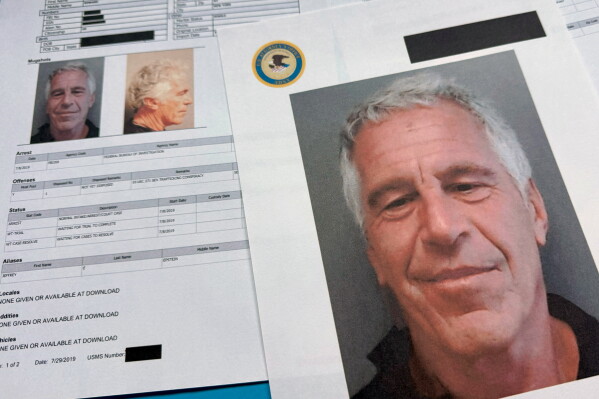
A federal judge has ordered the Justice Department to release additional unredacted material from the Jeffrey Epstein files or explain in detail why specific documents must remain withheld, intensifying a months-long legal fight over the administration’s compliance with a congressional transparency law. The dispute centers on redacted emails, a draft 2007 indictment naming potential co-conspirators, and FBI interview notes tied to unverified allegations involving President Trump. The case has become a flashpoint testing how thoroughly the administration will comply with a law Congress passed specifically to force full disclosure.
Story Highlights
- U.S. District Judge Emmet Sullivan has repeatedly ordered the DOJ to unredact files or justify withholding them
- The Epstein Files Transparency Act bars redactions based on embarrassment, reputational harm or political sensitivity
- The DOJ has declined to release some materials, citing victim privacy protections and technical limitations
What Happened
U.S. District Judge Emmet Sullivan has issued a series of orders directing the Justice Department to release additional unredacted materials from the Jeffrey Epstein files, following a lawsuit alleging that Acting Attorney General Todd Blanche improperly withheld or redacted documents required to be disclosed under the Epstein Files Transparency Act. The law, passed by Congress last year after sustained public pressure over the department’s handling of the files, explicitly prohibits redactions made on the basis of embarrassment, reputational harm or political sensitivity.
The documents at issue include eight emails with sender or recipient names blacked out, a draft 2007 indictment against Epstein with a redacted list of potential co-conspirators, and a 2019 email referencing additional co-conspirators whose names were withheld. Sullivan’s order also directed the department to release FBI interview notes underlying summaries of unverified allegations made by a woman who claims she was assaulted by Trump in the 1980s after meeting him through Epstein. Trump has denied the allegations, which have not been corroborated by law enforcement.
The Justice Department has resisted full compliance with the court’s orders. Associate Attorney General Stanley Woodward asked the judge to delay the deadline by 60 days or accept the department’s justifications for withholding the materials outright, arguing that some documents contain sensitive victim information or were properly redacted under the law’s existing exceptions. Woodward specifically cited concerns about handwritten notes, arguing their format complicates redaction and increases the risk of inadvertently disclosing victims’ personal information. A department spokesperson said the government plans to appeal Sullivan’s rulings, characterizing his interpretation of the transparency law as designed to generate misleading headlines.
The Justice Department has said only about half of the roughly 6 million pages of documents it collected on Epstein have been released publicly, with officials describing many of the unreleased materials as duplicates, unrelated to the Epstein investigation, or protected by legal privilege. Acting Attorney General Blanche has defended the department’s overall handling of the matter, telling reporters earlier this year that the department has released everything it is required to release and is not withholding any documents that should be public.
Why It Matters
The dispute represents a significant test of executive branch compliance with a specific congressional transparency mandate, one passed with bipartisan support after sustained public frustration with the department’s initial handling of the Epstein files. How the courts ultimately resolve the redaction disputes will shape precedent for future transparency litigation involving sensitive law enforcement records.
For the administration, the ongoing legal fight keeps a politically uncomfortable issue in the news cycle, particularly given the unverified allegations against the president contained within the files under dispute. The administration has consistently maintained that it has no oversight role in the document review process and that redaction decisions were made independently by career department officials.
For Congress, the case tests the practical enforceability of the Epstein Files Transparency Act itself. Lawmakers from both parties who supported the law will be watching closely to see whether the Justice Department’s continued resistance to full disclosure undermines the law’s intended purpose or whether the courts will ultimately compel complete compliance.
Economic and Global Context
While the Epstein files dispute is primarily a legal and political matter rather than an economic one, the case has drawn continued national and international media attention given the prominent figures referenced throughout the roughly 6 million pages of collected documents. The files include references to public figures across business, politics and entertainment, though being mentioned in the documents does not itself indicate wrongdoing or association with Epstein’s crimes.
The prolonged litigation has also renewed scrutiny of the Justice Department’s broader institutional credibility, with lawmakers and Epstein survivors continuing to raise concerns about missing or incompletely disclosed records nearly seven months after the law’s original December 2025 compliance deadline passed.
Internationally, the case has drawn attention due to Epstein’s extensive network of associates across multiple countries, with some documents referencing communications and business dealings involving foreign nationals and international financial figures, further complicating the redaction and disclosure process.
Implications
For the Justice Department, the coming weeks will likely bring an appeal of Sullivan’s rulings, prolonging the litigation and delaying full compliance with the transparency law. The outcome could set important precedent for how courts balance victim privacy protections against explicit congressional transparency mandates.
For Trump, continued disclosures tied to the case ensure the unverified allegations remain part of the ongoing news cycle, even as the White House maintains it had no role in the document review process and the president continues to deny any wrongdoing.
For Congress and transparency advocates, the case will serve as an important indicator of whether the Epstein Files Transparency Act functions as intended or requires additional legislative reinforcement to compel complete executive branch compliance going forward.
Sources
Judge orders DOJ to either unredact more Epstein files or explain why they must stay blacked out

