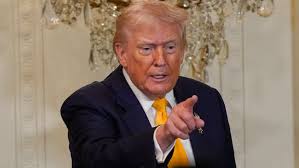
The Trump administration is preparing a new wave of tariffs under Section 301 trade authority after the Supreme Court struck down earlier import taxes imposed under emergency powers. Administration officials say the revised approach will follow a more structured legal process designed to withstand future court challenges.
The shift represents one of the administration’s most important economic policy adjustments since the Supreme Court ruled that Trump lacked authority to impose broad tariffs under the International Emergency Economic Powers Act. Businesses, investors, and trade partners are now preparing for another phase of uncertainty in global trade.
Story Highlights
- The Trump administration is developing new tariffs under Section 301 authority
- The Supreme Court previously struck down broader tariffs imposed under emergency powers
- Economists warn the new measures could increase inflation and business uncertainty
What Happened
The Trump administration confirmed this week that it is moving forward with plans to impose new tariffs under Section 301 of the Trade Act of 1974 following a major Supreme Court ruling earlier this year. The administration’s previous tariff structure, imposed under emergency economic powers, was struck down by the Court after judges concluded the White House exceeded its authority.
President Donald Trump responded to the ruling by directing trade officials to pursue an alternative legal pathway that administration lawyers believe will prove more durable against future court challenges. Section 301 allows the federal government to investigate and respond to unfair foreign trade practices through tariffs and other restrictions.
Administration officials said the new tariffs will target industries and countries associated with unfair competition, industrial overcapacity, and alleged labor abuses. Trade representatives are expected to conduct hearings and formal investigations before finalizing the measures, creating a more detailed administrative process than the earlier emergency tariffs.
Economists and business groups immediately reacted to the announcement with mixed responses. Supporters of the administration argued the new strategy preserves important leverage against foreign competitors while respecting the Supreme Court’s decision. Critics warned the tariffs may raise consumer prices and create additional uncertainty for businesses already navigating inflation pressures.
The administration’s move also follows the launch of a federal refund process connected to tariffs previously declared unconstitutional. Government officials estimate businesses may eventually receive refunds totaling more than $160 billion related to earlier import duties collected under the invalidated system.
Why It Matters
The new tariff strategy matters because trade policy remains one of the defining economic issues of Trump’s presidency. Tariffs are central to the administration’s effort to encourage domestic manufacturing, reduce trade deficits, and pressure foreign governments into changing industrial practices.
The Supreme Court ruling created a significant legal and political challenge for the White House by limiting the administration’s ability to use emergency powers for broad economic measures. By shifting toward Section 301 authority, administration officials hope to preserve aggressive trade enforcement while avoiding another constitutional defeat.
Businesses across multiple industries are closely monitoring the situation because tariffs directly influence production costs, supply chains, and pricing strategies. Manufacturers dependent on imported components could face higher operating expenses, while domestic producers competing against foreign imports may benefit from stronger protections.
Consumers are also likely to feel the effects. Economists generally agree that tariffs can increase prices for goods ranging from electronics to household products depending on how companies respond. The timing is politically important because inflation remains a major concern for voters and policymakers alike.
Economic and Global Context
The global economy remains highly sensitive to American trade policy after years of tariff disputes involving China, Europe, and other major trading partners. International companies have already adjusted supply chains in response to previous rounds of tariffs and export restrictions introduced during both Trump administrations.
Average U.S. tariff levels declined after the Supreme Court invalidated the earlier emergency measures, but analysts now expect duties to rise again once the new Section 301 actions are implemented. Some forecasts suggest the measures could become operational by mid-summer following required hearings and investigations.
Foreign governments are also preparing responses. China and several European officials have criticized aggressive American tariff strategies as disruptive to global trade stability. At the same time, many countries are increasingly using industrial policy and trade restrictions themselves, contributing to a broader global trend toward economic nationalism.
Financial markets have reacted cautiously to the administration’s plans. Investors remain concerned that additional trade restrictions could slow business investment and increase inflationary pressure. However, some domestic manufacturing sectors may benefit if tariffs encourage production expansion inside the United States.
Implications
The administration’s next steps will likely trigger another wave of legal, political, and economic debate over presidential trade authority. Although Section 301 offers a clearer statutory framework than emergency powers, businesses and foreign governments are still expected to challenge aspects of the new tariffs in court.
American manufacturers may experience mixed effects depending on their exposure to imported materials and foreign competition. Some companies could gain market advantages from higher import costs, while others may struggle with rising expenses and supply chain disruptions.
The political consequences could extend into broader debates over inflation, industrial policy, and economic nationalism. Trump supporters view tariffs as essential tools for rebuilding American manufacturing strength, while critics argue the measures risk harming consumers and global economic stability.
For policymakers, businesses, and voters, the administration’s new tariff strategy represents another major test of how far the United States is willing to go in reshaping international trade relationships. The outcome could influence not only domestic economic conditions but also America’s long-term position within the global economy.
Sources
“Trump’s Plan B Tariffs Are Coming Soon—And Will Be Hard to Kill. That Could Spell More Price Hikes”

