The United States is holding its breath for a critical diplomatic response from Tehran as the fragile ceasefire between American and Iranian forces enters a precarious new phase. President Donald Trump confirmed on Friday that Washington expects Iran to respond to a peace proposal, even as U.S. forces fired on two Iranian oil tankers attempting to bypass an ongoing naval blockade. With negotiations mediated by Pakistan and the Strait of Hormuz still a flashpoint, the path to a durable peace agreement remains uncertain and enormously consequential for global stability.
Story Highlights
- The U.S. fired on two Iranian-flagged oil tankers on May 9, 2026, for attempting to evade the American naval blockade.
- Secretary of State Marco Rubio said Washington has not yet received Iran’s formal response to the latest peace proposal as of Friday morning.
- The Strait of Hormuz closure continues to drive up energy and fertilizer costs globally, with the FAO warning of downstream effects on world food supplies.
What Happened
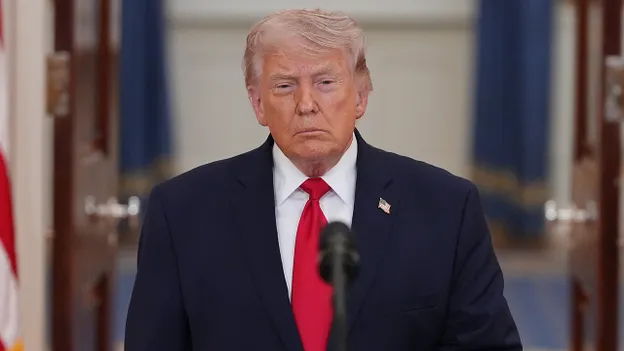
President Donald Trump told reporters Friday that the United States expects a response from Iran on a peace proposal “supposedly tonight,” offering a rare window of diplomatic optimism even amid continued military exchanges. The statement came on the 70th day of the armed conflict between U.S. and Iranian forces, a war that began on February 28, 2026, and has reshaped both Middle Eastern geopolitics and American domestic politics.
Secretary of State Marco Rubio, speaking to reporters from Rome, confirmed that no formal response from Tehran had been received as of Friday morning. Rubio expressed cautious hope, stating that he wants Iran to deliver something substantive that can put both countries into a real process of negotiation. He attributed the delayed Iranian response in part to what he described as a highly fractured and dysfunctional internal Iranian government structure.
The same day, U.S. military forces struck two Iranian-flagged oil tankers that were attempting to bypass the U.S.-led naval blockade of the Strait of Hormuz. The strikes were consistent with American rules of engagement designed to enforce the blockade, which has been in place since the early stages of the conflict. Trump stated that the ceasefire, such as it is, remains technically in effect despite the kinetic exchange.
Iranian Foreign Minister Abbas Araghchi responded sharply, condemning the strikes as a reckless military action that undermined ongoing diplomacy. In a statement posted to social media, he insisted that Iranians would never bow to pressure and argued that the United States repeatedly chose military action over diplomatic solutions. The public rebuke complicated Friday’s diplomatic atmosphere even as both sides nominally remain engaged through Pakistani intermediaries.
Why It Matters
The stakes of this diplomatic moment extend well beyond the battlefield. The Strait of Hormuz is one of the world’s most critical maritime chokepoints, through which roughly 20 percent of the world’s oil supply typically transits. Its effective closure since the outbreak of hostilities has created cascading economic shocks, with energy prices rising sharply across global markets and supply chain disruptions rippling through multiple industries.
For American voters, the conflict is becoming a defining political liability for the Trump administration. Polling shows broad public dissatisfaction with how the president has managed the war, and rising gasoline prices have translated that discontent directly into economic anxiety at the pump. U.S. crude has climbed significantly since the conflict began, with national average gas prices hovering around $4.30 per gallon as of this week, a figure that is politically toxic in an election year.
The diplomatic track, mediated by Pakistan, remains the primary avenue for resolution. The negotiations cover a broad range of issues including freedom of navigation through the Strait of Hormuz, Iran’s nuclear and ballistic missile programs, reconstruction obligations, sanctions relief, and the framework of any long-term peace arrangement. Each element carries enormous complexity, and Iran’s insistence on submitting its own counter-proposals rather than accepting frameworks drafted in Washington has slowed the process considerably.
Congress is watching the situation closely, with both Republican and Democratic members expressing concern about the administration’s management of the conflict. Some lawmakers have called for greater congressional oversight of the military operations and peace process, arguing that a conflict of this scale requires more formal legislative involvement than it has received.
Economic and Global Context
The economic consequences of the U.S.-Iran conflict have been severe and broadly felt. The FAO warned this week that while global cereal supplies are expected to hold through 2026, with production forecast to rise approximately six percent year-on-year, uncertainty is growing over future wheat output as the Hormuz closure drives up both energy and fertilizer costs. The long-term agricultural implications could affect food prices across developing nations that depend heavily on imported grain.
Financial markets have responded with notable volatility. Russia’s Moscow Exchange index jumped approximately one percent immediately following Trump’s latest ceasefire-related statements, a sign that global investors remain acutely sensitive to any signal of de-escalation. Energy futures markets remain elevated, and insurance premiums for shipping in the Persian Gulf region have soared, increasing the cost of goods for consumers worldwide.
China and other major powers have significant economic interests in a swift resolution. Chinese Foreign Minister Wang Yi met with his Iranian counterpart in Beijing on May 6, a meeting that underscored Beijing’s desire to maintain its energy trade relationships with Tehran and its broader interest in a stable Persian Gulf. The involvement of major non-Western powers adds diplomatic complexity but also creates additional pressure channels that the U.S. and Pakistan are attempting to leverage.
Implications
If Iran delivers a serious counter-proposal Friday night, the diplomatic process could accelerate meaningfully in the coming days and weeks. Pakistani mediators have indicated they are prepared to facilitate intensive talks if both sides demonstrate genuine willingness to negotiate. A successful peace framework would likely include a phased reopening of the Strait of Hormuz, staged sanctions relief, and agreed limits on Iran’s nuclear activities, though finalizing each element will require detailed technical negotiation.
Failure to receive a credible response would place the Trump administration in a difficult position. The president has signaled impatience with the pace of diplomacy, and previous ultimatums have come and gone without triggering the escalation that was threatened. Each unfulfilled deadline erodes U.S. negotiating credibility and invites further Iranian delay tactics.
For American businesses and consumers, the sooner a durable peace framework is reached, the sooner energy prices may begin to normalize. The conflict has already contributed to a measurable increase in the cost of living, reinforcing Democratic campaign narratives about Republican mismanagement of the economy. November’s midterm elections are now six months away, giving the administration a narrowing window to reach a deal that could partially rehabilitate its economic record.
For the broader international order, the outcome of these negotiations will shape how the world views American military and diplomatic power for years to come. A negotiated resolution would reaffirm the value of U.S.-led diplomacy. A prolonged stalemate or renewed escalation would further accelerate the diversification of global alliances away from American leadership.
Sources

