Story Highlights
- Trump called Iran’s proposal “a piece of garbage” and said he didn’t even finish reading it
- Some Trump aides are now more seriously considering a resumption of major combat operations in Iran
- The U.S. has demanded Iran formally halt its nuclear program and surrender an estimated 440 kilograms of highly enriched uranium
What Happened
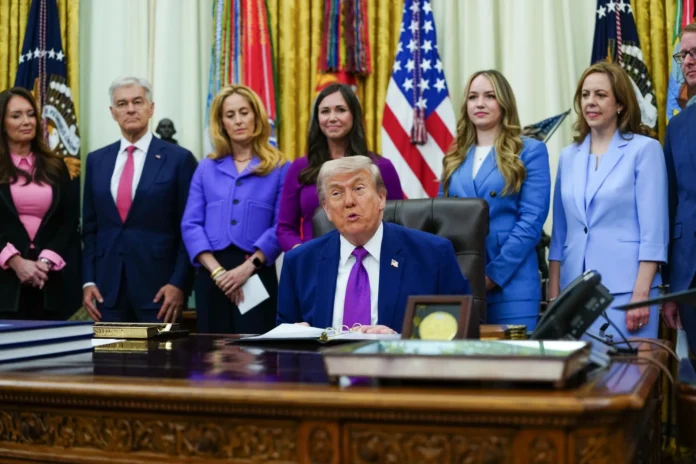
President Donald Trump escalated his rhetoric against Iran on Monday, publicly declaring the ceasefire — which had been in effect since April 8 — was at its “weakest point” after Tehran submitted a counterproposal that he immediately and forcefully rejected. “I would call it the weakest right now,” Trump told reporters at the White House. “After reading that piece of garbage they sent us. I didn’t even finish reading it.”
According to Iranian state media, Tehran’s proposal included a demand that the United States pay war reparations, lift all economic sanctions, and formally recognize Iran’s sovereignty over the Strait of Hormuz — the 23-mile-wide waterway through which roughly one-fifth of the world’s oil supply normally flows. U.S. officials found those terms fundamentally at odds with their core conditions for ending hostilities, which center on Iran dismantling its nuclear program and surrendering its stockpile of enriched uranium.
Trump expressed particular frustration over what he described as Iranian backtracking on prior verbal commitments. He said Iranian negotiators had previously agreed that the U.S. could retrieve the country’s highly enriched uranium stockpile buried under bombed nuclear sites — but that the latest written submission omitted that agreement entirely. “They told me, number one, you’re getting it, but you’re going to have to take it out,” Trump said. “They agree with us and then they take it back.”
Sources familiar with the situation told CNN that some officials within the Trump administration are now more seriously entertaining the idea of resuming major combat operations in Iran. There are competing factions inside the administration: Pentagon officials who favor more targeted strikes to force Tehran to the table, and others who argue diplomacy still deserves more time. Many in Trump’s orbit also believe Pakistani mediators — who have been serving as go-betweens — are not conveying Trump’s displeasure strongly enough and may be softening Iran’s positions before relaying them to Washington.
The diplomatic stalemate also has a nuclear dimension. Trump has demanded that Iran formally halt its enrichment program for at least ten years and hand over an estimated 440 kilograms of highly enriched uranium. Iran has countered that its right to enrich uranium is non-negotiable. “They cannot have a nuclear weapon,” Trump said bluntly. “And they didn’t say that in their letter.”
Why It Matters
The collapse of ceasefire talks, even temporarily, carries enormous consequences for American foreign policy and domestic economics. The war, which began on February 28 when the United States and Israel launched joint strikes on Iranian military, government, and infrastructure targets, has now stretched well beyond the four-to-six-week timeline the administration previously projected. Every day the conflict continues, the political and financial costs mount.
For ordinary Americans, the most direct consequence is pain at the gas pump. The Strait of Hormuz — which Iran has effectively blockaded since the first strikes began — normally carries a fifth of global oil supplies. That blockade has pushed fuel prices from roughly $2.98 per gallon before the war to $4.52 as of this week, a surge of more than 50 percent. A Brown University study estimates U.S. consumers have already absorbed a combined $37 billion in additional fuel costs, amounting to over $284 per household.
The diplomatic breakdown also raises the risk of military escalation at a particularly sensitive moment. Trump is set to meet Chinese President Xi Jinping in Beijing this week, and analysts widely expect that conversation to touch heavily on China’s relationship with Iran — including Beijing’s role as the top buyer of Iranian oil. Any resumption of combat operations before or during that summit would significantly complicate Trump’s ability to press Xi on cutting economic lifelines to Tehran.
There are also broader constitutional implications. The war is now past the 60-day threshold under the War Powers Resolution, which requires congressional authorization or cessation of military operations. The Trump administration has argued that the ceasefire paused the clock, but independent legal experts have disputed that claim, noting the ongoing naval blockade constitutes a continued act of war.
Economic and Global Context
The financial toll of the Iran conflict continues to grow rapidly. Acting Pentagon Comptroller Jay Hurst told the House Appropriations Defense Subcommittee on Tuesday that the war has cost the United States approximately $29 billion — up from the $25 billion figure he provided Congress just two weeks ago. The revised estimate accounts for updated equipment repair and replacement costs as well as ongoing operational expenses for keeping personnel deployed in the theater.
Globally, the Strait of Hormuz blockade has disrupted energy markets far beyond American borders. Saudi Aramco warned Monday that global oil markets will not normalize until at least next year if the waterway remains closed for several more weeks. Oil prices rose more than 3.5 percent to approximately $104 per barrel following Trump’s rejection of Iran’s latest proposal. Meanwhile, the UAE’s ADNOC Gas reported that its Habshan facility — one of the world’s largest onshore gas processing plants — is operating at only 60 percent capacity after sustaining Iranian strikes, with full restoration not expected until 2027.
Iran’s own economy has been severely battered. The U.S. naval blockade has made it increasingly difficult for Tehran to export oil, causing its currency to depreciate to new lows. Separately, a CIA analysis suggests Iran could endure another three to four months under current conditions before experiencing severe economic hardship. That timeline is relevant because it shapes how much leverage each side believes it has in negotiations.
Implications
The most immediate implication is the heightened risk of a return to active combat. Sources indicate that Trump is “frustrated” with the pace of talks and is entertaining military options. A resumption of strikes would almost certainly cause further spikes in oil prices, deepening the economic pain already being felt by American consumers and businesses alike ahead of the November midterm elections.
For Republican lawmakers, the breakdown in ceasefire talks compounds an already precarious political environment. Multiple polls show Trump’s approval rating on the economy at or near all-time lows, and high gas prices are a primary driver of that dissatisfaction. Any escalation that pushes fuel costs even higher would intensify pressure on vulnerable GOP incumbents.
For American allies in the region, the continued standoff is destabilizing. Gulf states, including the UAE and Qatar, have sustained Iranian missile and drone attacks. Qatar has accused Iran of weaponizing the strait and blackmailing Gulf nations. Allied governments are watching Washington’s next moves carefully, particularly as Trump prepares to sit across the table from Xi in Beijing.
For the broader international community, a failure to reach a peace agreement keeps the world’s most critical oil chokepoint closed. Global supply chains, food distribution networks, and energy markets remain vulnerable so long as the Strait of Hormuz remains off-limits to commercial shipping.

