Story Highlights
- Trump announced the withdrawal of Dr. Casey Means’ surgeon general nomination on April 30, replacing her with radiologist Dr. Nicole Saphier
- Means’ nomination had been blocked in the Senate for months, with both Republican and Democratic senators raising concerns about her qualifications and vaccine positions
- Saphier is a radiologist and director of breast imaging at Memorial Sloan Kettering Cancer Center in New Jersey and a frequent Fox News contributor
What Happened
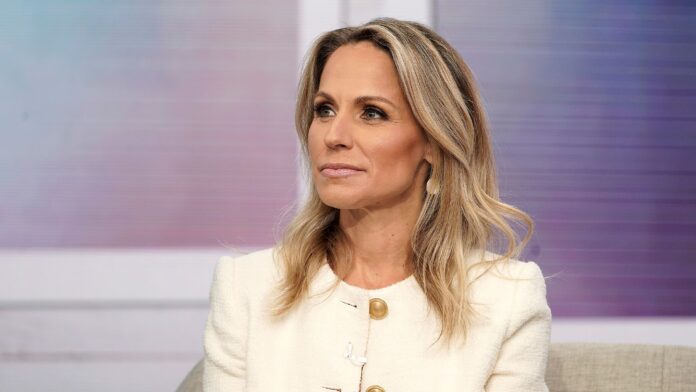
President Trump said he’s nominating former Fox News Channel contributor Dr. Nicole Saphier for surgeon general after Dr. Casey Means’ path forward stalled in the Senate over questions about her experience and her stance on vaccines.
In a post on Truth Social, Trump blamed Senator Bill Cassidy for Means’ nomination stalling, saying the Louisiana Republican “has stood in the way” of his pick. “I nominated Casey, a strong MAHA Warrior, at the recommendation of Secretary Kennedy, who understands the MAHA Movement better than anyone, with perhaps the possible exception of ME!” he wrote.
Means is the second U.S. surgeon general pick whose nomination has been withdrawn in Trump’s second term. Trump withdrew his first nominee, Fox News medical contributor Janette Nesheiwat, after questions were raised about her academic credentials. The pattern reflects a recurring challenge for the administration in translating its health policy vision into Senate-confirmable appointments.
Saphier is listed on Memorial Sloan Kettering Cancer Center’s website as a radiologist and director of breast imaging at its facility in Monmouth County, New Jersey. She has also regularly appeared as a medical contributor on Fox News. If confirmed by the Senate, Saphier would become the nation’s top doctor, with the power to issue health advisories for the country. Trump described her as a “STAR physician” in his announcement on Truth Social.
Why It Matters
The surgeon general is the nation’s chief public health communicator — the voice Americans hear during health emergencies, disease outbreaks, and public health campaigns. The prolonged vacancy in that position, now stretching across three failed or withdrawn nominations, has left a significant gap in the administration’s ability to project a coherent, credible public health message at a time when that capacity matters enormously.
Means had faced scrutiny for her lack of experience and potential conflicts. She graduated from Stanford medical school but dropped out of her surgical training before finishing. She does not have an active medical license, is an influencer, and runs a company that sells glucose monitoring devices, meaning she lacks the clinical or leadership experience typical of a surgeon general. Those vulnerabilities proved fatal to her confirmation prospects despite sustained White House advocacy.
The move is a blow to the Make America Healthy Again movement’s months-long push to get Means confirmed. But Saphier shares some commonalities with MAHA, including an interest in personal wellness and a skepticism of vaccine mandates. The administration appears to have concluded that Saphier offers a softer landing — enough ideological continuity to satisfy MAHA supporters while presenting a more conventionally credentialed nominee to skeptical senators.
The repeated stumbles on this nomination also reflect a broader tension in the Trump health agenda: the administration’s desire to install unconventional, movement-aligned figures in key positions has repeatedly collided with a Senate confirmation process that still demands basic professional credentials and bipartisan credibility.
Economic and Global Context
The surgeon general plays a direct role in shaping national health guidance that affects insurance markets, pharmaceutical regulations, and public health funding streams. A credible, confirmed surgeon general can issue advisories that move markets, influence prescribing behavior, and shape state-level public health policy. The extended vacancy in this role has created ambiguity about the administration’s official position on multiple ongoing health challenges.
U.S. News tracks the 2026 measles surge as officials prepare to review the nation’s elimination status following 24 new outbreaks this year. A confirmed surgeon general with public credibility would be the appropriate official to lead the federal response to that outbreak — a task currently falling to a fragmented set of agency officials without a unified public voice.
Healthcare sector investors and hospital systems have been watching the surgeon general confirmation saga closely, as the position can signal the administration’s evolving stance on preventive care funding, vaccine policy, and the future of the Affordable Care Act’s preventive services mandate. Saphier’s background in oncology and breast imaging gives her a specific clinical lens that differs from Kennedy’s broader wellness-and-prevention framework.
Internationally, the surgeon general’s credibility matters for global health coordination. During disease outbreaks and public health emergencies, U.S. leadership at the World Health Organization and in bilateral health agreements is often channeled through the surgeon general’s office. A confirmed, credible occupant of that position strengthens American soft power in ways that are difficult to quantify but strategically significant.
Implications
Dr. Saphier’s confirmation process will test whether the administration has learned from the Means experience. Her medical credentials are more conventional, and her Fox News platform has made her a familiar face to the Republican base — factors that could ease her path through committee hearings. However, like Means, Saphier has questioned whether every child needs to get the hepatitis B vaccine at birth, saying on a podcast that she doesn’t necessarily think it’s necessary. That position will likely draw the same line of questioning that complicated Means’ hearing.
For Senator Bill Cassidy — who Trump publicly blamed for blocking Means and who himself was just defeated in the Louisiana primary by a Trump-backed challenger — the Saphier nomination creates a final chapter to a contentious relationship. With Cassidy departing, the obstruction Trump cited as his rationale for pulling Means’ nomination is removed, theoretically clearing a path for Saphier.
For the MAHA movement, the outcome is mixed. Means’ departure removes its most prominent institutional champion from a position of direct government authority, while Saphier offers partial continuity on wellness and vaccine skepticism. Kennedy retains his cabinet position, meaning the MAHA agenda will continue to shape departmental policy even if the surgeon general’s office is occupied by a more conventional figure.
If confirmed, Saphier would be the first surgeon general of Trump’s second term, filling a vacancy that has persisted through two withdrawn nominations and months of political turbulence. Whether the third attempt finally crosses the finish line will be one of the more closely watched confirmation battles of the coming months.
Sources
“Trump pulls Casey Means’ stalled surgeon general nomination, announces new pick”

