
Story Highlights
-
Donald Trump emphasized accelerating U.S. infrastructure development.
-
Policies focus on faster approvals and increased investment.
-
Officials say modern infrastructure supports long-term economic growth.
What Happened
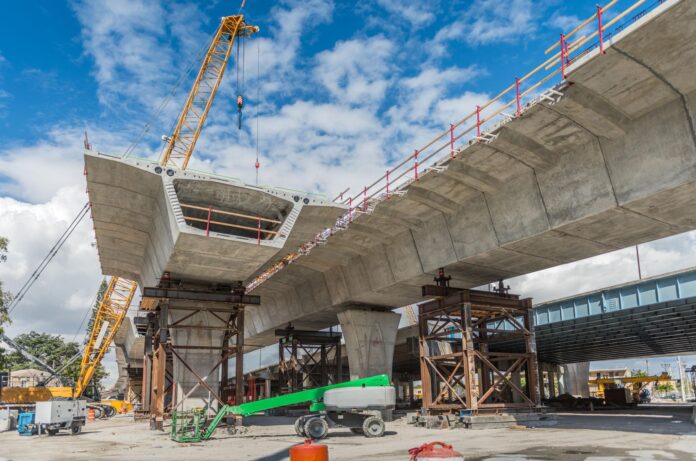
President Donald Trump highlighted ongoing efforts to accelerate infrastructure development across the United States, emphasizing the importance of modernizing transportation, energy, and public systems. The administration pointed to increased investment and streamlined project approvals as key factors driving faster progress.
According to reporting from Reuters, infrastructure projects—including highways, bridges, logistics hubs, and energy networks—are advancing at a more consistent pace. Improved coordination between federal, state, and private stakeholders has helped reduce delays that previously slowed major projects.
Officials noted that funding is being directed toward critical areas that directly impact economic productivity. Upgrading transportation systems, improving freight networks, and modernizing energy infrastructure are seen as essential steps to enhance efficiency and reduce operational bottlenecks.
In addition, the administration highlighted the role of technology in infrastructure development. Smart traffic systems, advanced grid management, and digital monitoring tools are being integrated into new and existing projects. These innovations are designed to improve performance, reliability, and long-term sustainability.
Why It Matters
Infrastructure is a foundational component of economic growth. Efficient transportation systems, reliable energy networks, and modern public facilities enable businesses to operate effectively and support overall economic activity.
For businesses, improved infrastructure reduces costs and increases efficiency. Faster transportation networks allow goods to move more quickly, while reliable energy systems ensure uninterrupted operations. These improvements enhance competitiveness in both domestic and global markets.
For workers, infrastructure projects create employment opportunities across construction, engineering, and related industries. These jobs contribute to income stability and support economic activity in regions where projects are underway.
Consumers also benefit from infrastructure development. Better roads, improved public services, and more reliable utilities enhance quality of life and reduce daily inefficiencies such as traffic congestion and service disruptions.
Political and Economic Context
Infrastructure investment is closely tied to national economic strategy and global competitiveness. Countries around the world are prioritizing infrastructure upgrades to support growth and adapt to changing economic demands.
The Trump administration has emphasized infrastructure development as a key element of its economic agenda. Supporters argue that faster project execution and increased investment improve efficiency and strengthen the country’s economic foundation.
The Federal Reserve monitors infrastructure-related spending as part of broader economic activity. Increased investment in this area can contribute to growth, employment, and productivity.
Globally, infrastructure development is a major focus for many economies. Investments in transportation, energy, and digital systems are seen as essential for maintaining competitiveness. In this context, continued development is critical for the United States.
At the same time, infrastructure projects require careful planning and coordination. Balancing funding, environmental considerations, and long-term sustainability remains an important aspect of policy decisions.
Implications
If current efforts continue, accelerated infrastructure development could significantly improve economic efficiency in the United States. Enhanced systems may reduce costs, increase productivity, and support long-term growth.
For businesses, improved infrastructure creates opportunities to expand operations and optimize supply chains. Companies can leverage better connectivity and logistics to reach new markets and improve performance.
For policymakers, maintaining progress will require ongoing investment and effective coordination. Ensuring that projects are completed efficiently and deliver long-term benefits will be key to sustaining momentum.
For investors, infrastructure development often signals economic strength and can create opportunities in construction, materials, and related sectors. Increased activity in this area reflects broader economic confidence.
In the broader context, modern infrastructure strengthens the foundation of the U.S. economy. By improving essential systems and integrating advanced technologies, the country can support sustained growth and remain competitive in a rapidly evolving global environment.
Sources
Trump pushes infrastructure development to strengthen U.S. economy

