Story Highlights
- Trump said the U.S. has had “very good talks” with Iran over the past 24 hours and that a deal is “very possible”
- A 14-point, one-page memorandum is being negotiated by Trump envoys Steve Witkoff and Jared Kushner directly and through Pakistani mediators
- Iran’s parliament speaker warned citizens of a “hard road ahead,” while Israel expressed concern about potential last-minute U.S. concessions
What Happened
The United States and Iran are moving closer to an agreement on a short memorandum to end the war, a regional source familiar with the negotiations said, although Trump administration officials cautioned that talks had previously fallen apart at the last minute. The White House received positive feedback from Pakistani mediators on Tuesday that the Iranians were progressing toward a compromise, two administration officials told CNN while offering some skepticism about Pakistan’s optimism.
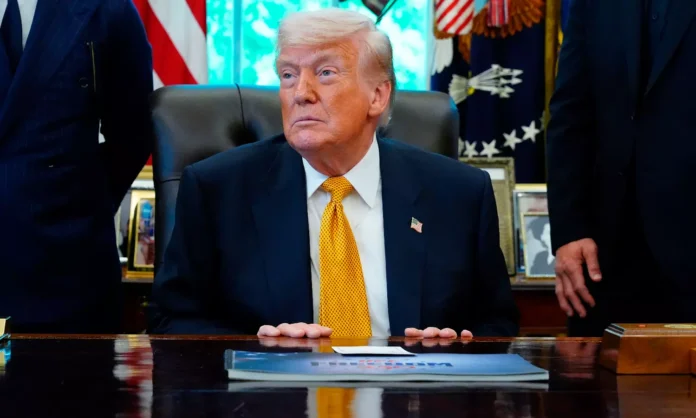
President Donald Trump touted the diplomacy Wednesday, saying the U.S. has had “very good talks” with Iran over the past 24 hours. A one-page plan being floated internally contains provisions that have been at the heart of negotiations to end the conflict. The document would declare an end to the war while triggering a 30-day negotiation period on resolving sticking points, including nuclear issues, unfreezing Iranian assets, and future security arrangements in the Strait of Hormuz.
Behind the scenes, the one-page, 14-point memorandum of understanding is being negotiated between Trump’s envoys Steve Witkoff and Jared Kushner and several Iranian officials, both directly and through mediators. In its current form, the MOU would declare an end to the war in the region and start a 30-day period of negotiations on a detailed agreement to open the strait and limit Iran’s nuclear activities.
Iran’s Foreign Ministry spokesperson Esmaeil Baghaei confirmed the U.S. plan remains under review. “The US plan and proposal is still under review by Iran, and after finalizing its viewpoints, Iran will convey them to the Pakistani side,” Baghaei told Iran’s Student News Agency on Wednesday.
Mohammad Ghalibaf, the speaker of Iran’s parliament and one of the negotiators in past talks with the U.S. in Pakistan, warned Iranians of a hard road ahead in a series of audio messages posted by state media. “The US seeks to destroy the country’s unity in order to force us into surrender,” Ghalibaf said, while also warning citizens to practice economic frugality, calling it “a missile that people can fire into the heart of the enemy.”
Why It Matters
A successful ceasefire memorandum would represent the most significant foreign policy achievement of Trump’s second term and potentially one of the most consequential diplomatic breakthroughs in decades. The Iran war has reshaped the global economy, disrupted energy markets, and drawn the United States deeper into a Middle Eastern conflict that carries serious political risk heading into November’s midterms.
For Trump personally, ending the war would validate his administration’s dual approach of maximum military and economic pressure combined with direct negotiation. The president has faced criticism from both sides — from hawks who believe he has not been aggressive enough and from the broader public, where the war remains deeply unpopular, particularly due to its inflationary effects on everyday Americans.
The White House believes the Iranian leadership is divided and it may be hard to forge consensus across the different factions. Some U.S. officials remain skeptical that even an initial deal will be reached, noting that officials have expressed optimism at several previous points during the conflict without reaching an agreement.
The nuclear dimension of any deal is particularly complex and politically sensitive. The Trump administration has demanded that Iran abandon uranium enrichment entirely, and any agreement perceived as soft on that point will face intense scrutiny from both Republican hawks in Congress and U.S. allies in the region, particularly Israel.
Economic and Global Context
The Iran conflict has been a major driver of economic disruption since it began. The Strait of Hormuz — through which a substantial portion of the world’s oil supply flows — has been effectively blockaded, sending energy prices sharply higher and contributing to inflation running well above the Federal Reserve’s 2 percent target. Reaching even a preliminary deal to reopen the strait would have immediate and significant effects on global energy markets.
Iran’s Islamic Revolutionary Guard Corps Navy stated that safe passage through the Strait of Hormuz is possible under “new procedures,” according to Iranian media reports. The U.S. military also disabled an Iranian-flagged tanker in the Gulf of Oman when it attempted to sail toward an Iranian port, demonstrating that military pressure continues alongside diplomatic overtures.
News of positive movement from Pakistani mediators helped spur Trump to announce a pause of “Project Freedom” — an operation to guide stranded ships out of the Strait of Hormuz — citing progress in negotiations with Iran. Trump’s top priority is finding a diplomatic offramp to the war and reopening the strait swiftly.
Oil prices, which have remained elevated throughout the conflict, would be expected to fall significantly if a credible ceasefire agreement is announced, providing relief to American consumers at the gas pump and easing inflationary pressures across the economy. Markets globally have been watching the negotiations closely.
Implications
Israeli Prime Minister Benjamin Netanyahu is holding talks with Trump administration officials to better understand the latest developments in negotiations between the U.S. and Iran. Israel is concerned about potential last-minute U.S. concessions. Any deal perceived as too lenient on Iran’s nuclear program would create serious friction between Washington and its closest Middle Eastern ally.
For Republicans heading into the midterms, a successful deal would give the party a much-needed positive narrative to counter mounting economic discontent. Conversely, a collapse of talks — particularly if Iran is seen as the party walking away — could justify a more aggressive military posture that some within the GOP already favor.
The 30-day negotiation window envisioned in the memorandum means that even a signed initial agreement would leave the hardest questions unresolved. Iran’s nuclear stockpile, the fate of its enrichment facilities, the unfreezing of assets, and permanent arrangements for Hormuz navigation would all remain on the table — each capable of derailing any broader peace before it takes hold.
Sources
US and Iran closing in on agreement aimed at ending war, source says

