Story Highlights
- Trump-backed challengers defeated at least five of seven targeted Republican state senators in Indiana
- Ad spending in Indiana state Senate primaries surged more than 4,700 percent over the previous cycle, topping $13.5 million
- The results increase pressure on Republican lawmakers in other states to cooperate with Trump’s redistricting agenda
What Happened
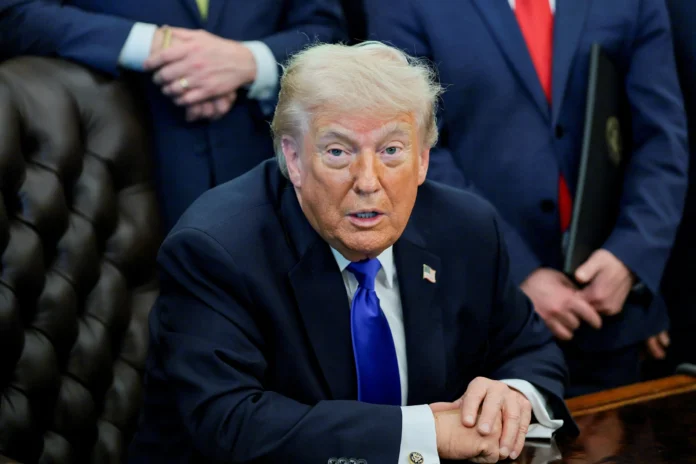
President Donald Trump exacted revenge on Indiana Republican legislators who foiled his redistricting push last year in the state, backing challengers who unseated five incumbents in Tuesday’s primaries, NBC News projects. One other GOP state senator who faced a Trump-endorsed opponent was locked in a tight race, while another survived.
Of the 21 Republicans who voted against the new congressional map, eight were up for reelection and seven faced Trump-backed primary challengers. Most of them will no longer serve in the statehouse, demonstrating that Trump still holds sway over the party even as his approval rating is low. The Associated Press projected Trump’s picks have won in at least five of the seven races. State Sen. Greg Goode was the only one of the incumbents projected to keep his seat.
The electorates deciding each race were as small as 10,000 voters. The slate of competitive races resulted in a flood of advertising spending in ordinarily lower-profile contests. Jim Banks, a close Trump ally, led the way for the pro-Trump forces along with the Club for Growth and Turning Point USA.
Primary spending on TV ads for state senate went from just $280,000 in 2024 to $13.5 million this year, an increase of more than 4,700%, according to AdImpact. It worked — even if in the process, Republicans only reinforced the perception that they care more about kowtowing to Trump than doing much of anything to improve people’s lives.
James Blair, a White House deputy chief of staff and one of the chief architects of Trump’s mid-decade redistricting push, said from the Oval Office Tuesday night that the president was in another room taking pictures with dinner guests and not actively monitoring the results. “He knew how we were gonna do, so he’s been going about his evening,” Blair told NOTUS.
Why It Matters
The Indiana primaries represent the most dramatic demonstration yet of Trump’s continued grip on the Republican Party base, even as his broader approval numbers have declined. Trump used the fact that most lawmakers never have to worry about losing a general election in today’s polarized age, which makes primaries their only real hurdle to reelection. He enforced loyalty by making life hell for any Republican who ran afoul of him, and ushered plenty out the door.
The outcome represents a major win for Trump’s political team, which is aggressively going after Republicans who defy the president. Trump is also backing primary challengers to Kentucky Rep. Thomas Massie and Louisiana Sen. Bill Cassidy, both of whom face primaries this month.
The Indiana primary will likely bolster Trump’s confidence in other primaries this month, and it ratchets up the pressure on Republican lawmakers in other states to move aggressively to redraw congressional district boundaries this year. Alabama and Tennessee have already begun special sessions that could limit Black voters’ strength in Democratic-leaning districts.
Indiana Republican senators were among the first in the country to push back against Trump’s redistricting demands. Twenty-one Republican senators voted against redistricting in December, including eight running for reelection this year. It became a costly and unprecedented intraparty battle that exacerbated tensions among Republicans ahead of November midterm elections that will determine control of Congress.
Economic and Global Context
The Indiana primaries occurred against a backdrop of significant economic turbulence. Gas prices nationally have exceeded $4.46 per gallon, driven largely by disruptions in the Strait of Hormuz stemming from the ongoing conflict with Iran. Rising energy costs have squeezed household budgets and dampened public confidence in the administration’s economic stewardship.
Despite that environment, Trump’s base remained firmly engaged in the Indiana primary. Trump’s approval rating has slipped nationally, and his support among independents has evaporated. But very conservative voters — those who make up his base — are still with him. And they are the voters who decide contests like state Senate primaries in deep-red Indiana.
The redistricting battle itself carries direct economic and electoral implications. A redrawn Indiana congressional map, as Trump had requested, would have been designed to produce two additional Republican-leaning seats in the U.S. House. The Republican-led state Senate dealt Trump a rare rebuke when it voted down a new congressional map he backed that was designed to result in two additional seats for the GOP. It was part of a broader mid-decade redistricting battle playing out across the country ahead of the fall midterm elections, when control of the narrowly divided U.S. House will be up for grabs.
The fight demonstrates how midterm electoral strategy is directly shaping intraparty politics at the state level, with enormous resources flowing into races that would normally attract little outside attention or funding.
Implications
Trump’s Indiana win puts pressure on Republican state legislators in other states to enact White House-backed redistricting measures. Several states are already moving in that direction, and those that have been resistant may now feel they have little choice. The message from Trump’s political machine is unmistakable: resistance has real consequences.
State Sen. Linda Rogers, one of the Indiana lawmakers who voted against redistricting and lost her seat Tuesday, said the outcome “will probably discourage others in other states.” That chilling effect may extend beyond redistricting to any number of policy votes where Republican lawmakers might otherwise have exercised independent judgment.
For Massie and Cassidy, the Indiana results are an ominous signal. Republican strategist Jay Townsend told the Washington Examiner, “Last night was a test. The answer is now evident, and I could say Louisiana and Kentucky are not Indiana, but based upon what I saw last night, I would guess that Massie and Cassidy are probably a little less confident today than they may have been yesterday.”
At the same time, analysts note that dominant performance in low-turnout primaries does not guarantee success in November general elections. The deep spending, intraparty conflict, and national attention on local races may energize Democratic turnout and create vulnerabilities that would not otherwise exist in reliably Republican districts heading into what could be a difficult midterm environment.
Sources
“Trump exacts revenge in Indiana over redistricting vote, with five GOP legislators defeated”

