Story Highlights
- Trump told Speaker Johnson in a private meeting he would not back down on Pulte, regardless of Democratic opposition
- Democrats are refusing to provide the votes needed to extend Section 702 of FISA unless Pulte is removed as acting DNI
- The reauthorization deadline is Friday evening; failure to meet it could shut down a key counterterrorism surveillance program
What Happened
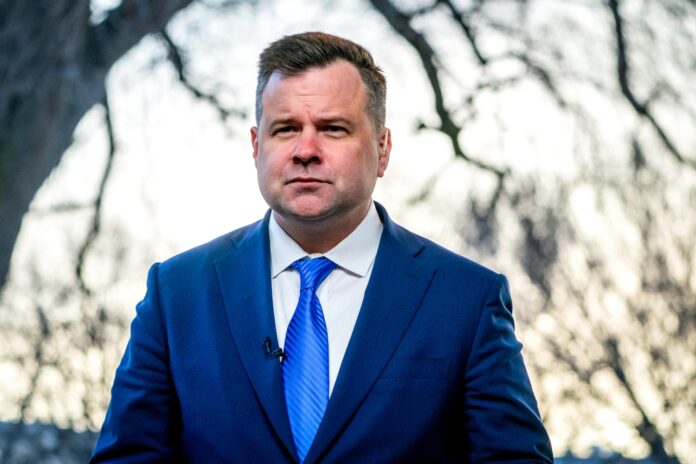
President Donald Trump indicated to House Speaker Mike Johnson during a meeting Tuesday that he would not back down on his decision to elevate Bill Pulte to acting director of national intelligence, despite threats from Democrats to let a key surveillance power lapse over the appointment, according to two sources briefed on the meeting.
Forty-five days after Congress previously punted on the fight, House Speaker Johnson and Senate Majority Leader John Thune are now facing a new deadline Friday night — one that, if missed, President Trump and intelligence leaders warn could leave the United States without an integral intelligence tool used to thwart terrorism.
There had previously been cautious optimism on Capitol Hill that lawmakers could pass a bipartisan agreement to extend Section 702 of FISA for three years — but Democrats revolted after Trump named Pulte, a housing official with a lack of demonstrated national security experience, to the role of acting DNI. Democrats are protesting the surveillance measure over Pulte’s role, refusing to provide votes that GOP leaders need to send the bill to Trump’s desk.
He also indicated he would not remove Pulte just to appease Democrats. Some allies had indicated to Trump that he would look weak if he named a permanent DNI just to get an extension on Section 702 of the Foreign Intelligence Surveillance Act, known as FISA. Republican lawmakers and Trump advisers had been having conversations about how to move forward without Pulte, including at one point floating the idea of extending former DNI Tulsi Gabbard’s tenure. But Pulte has built his own team of MAGA loyalists who were lobbying the president behind closed doors.
Senate Majority Leader Thune told CNN he believes the White House is “weighing seriously” quickly making a permanent pick for director of national intelligence in an effort to satisfy Democrats and get FISA 702 extended. But he said the administration is not considering dropping Pulte altogether as acting DNI. Some of Thune’s members have been more blunt. “Democrats are not going to vote to pass 702 until he’s withdrawn, and we need that done. … The stalemate needs to be broken,” GOP Sen. John Cornyn told CNN on Monday.
Why It Matters
Section 702 of the Foreign Intelligence Surveillance Act is among the most consequential legal authorities available to American intelligence agencies. It allows the National Security Agency to collect communications of foreign nationals overseas, including communications that may involve Americans, without requiring an individual warrant for each target. Intelligence officials across administrations have described it as indispensable to countering terrorism, cyberattacks, and foreign espionage.
The authority’s lapse would not immediately shut down all collection — existing orders remain active for a period — but it would prevent new targets from being added and disrupt ongoing programs. With the United States actively engaged in military operations and ceasefire negotiations related to the Iran conflict, the timing of a potential intelligence gap is particularly sensitive. Administration officials have publicly stated the consequences would be severe.
Speaker Johnson made clear that he is worried Democrats’ protest could shut down the FISA powers entirely. “The Democrats now have taken a hostage on this, and they’re suggesting that they might not advance it. We’re hoping they can get that together. We cannot allow FISA to go dark. It’d be a dangerous prospect, and I think everybody who is reasonable understands that,” Johnson said Tuesday.
The broader issue is also a question of institutional norms. Democrats argue that placing a figure with no national security background in one of the most sensitive intelligence roles in government undermines the credibility of the entire intelligence community. Republicans counter that the president has the authority to appoint acting officials of his choosing, and that Democrats are weaponizing an essential security tool for political ends.
Economic and Global Context
The FISA fight does not exist in isolation. It arrives at a moment when the United States is simultaneously managing a fragile ceasefire with Iran, monitoring escalating tensions between Israel and Hezbollah, and overseeing diplomatic negotiations that could determine the trajectory of energy markets for months to come. Any disruption to the intelligence infrastructure supporting those efforts would have repercussions far beyond Capitol Hill.
Global partners, including key NATO allies and intelligence-sharing partners in the Five Eyes network, depend on the continuity of American signals intelligence. A voluntary lapse in Section 702 authority — caused not by a foreign adversary but by a domestic political standoff — would send an unsettling signal about the reliability of U.S. institutions at a critical moment.
Domestically, oil markets remain volatile. Brent crude has remained elevated as ceasefire negotiations continue. As of June 4, the national average for a gallon of regular fuel was $4.21, according to AAA — more than $1 more than prices one year ago. Any deterioration in the broader geopolitical environment caused by intelligence failures would likely add further pressure to already strained energy markets.
Implications
If the Friday deadline passes without a resolution, intelligence leaders will face immediate operational decisions about how to manage ongoing collection activities under existing legal authorities. Longer-term, the lapse would require congressional action to restore the program, which in a divided political environment could take weeks or longer.
Some Republicans believe that enough centrist Democrats will back down by the Friday evening deadline to extend the surveillance authority. But Democrats insist they are not bluffing. At a closed-door meeting of House Democrats on Tuesday morning, Rep. Jim Himes — the party’s top member on the intelligence committee — implored his colleagues not to cave if Pulte remains in his position, according to a person familiar with the discussions.
For Trump, backing down on Pulte risks appearing weak on a personnel decision that has MAGA backing, while holding firm risks an intelligence lapse that could expose his administration to criticism if a security failure occurs. For Johnson, it represents yet another test of his ability to manage a slim House majority while keeping the administration’s agenda intact. The outcome will shape the dynamics of legislative negotiations for the remainder of the congressional term.

