Story Highlights
- President Donald Trump says the United States and Iran have electronically signed an initial agreement ending major hostilities.
- The framework begins reopening the Strait of Hormuz while giving negotiators 60 days to address nuclear and sanctions disputes.
- The agreement gives Trump a major diplomatic breakthrough, but its success now depends on implementation and Iranian compliance.
What Happened
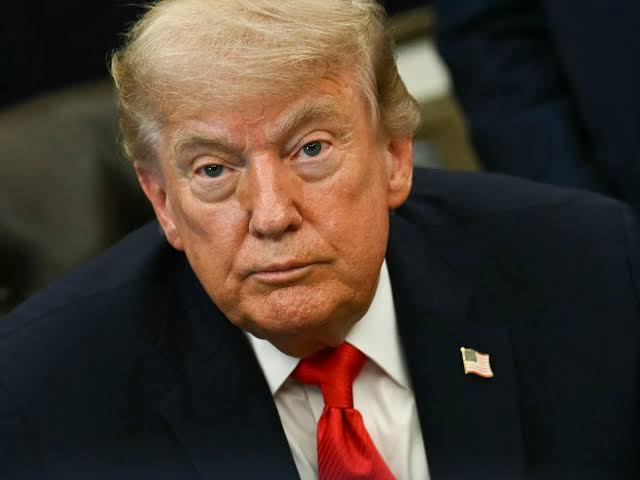
President Donald Trump announced that the United States and Iran had signed an initial agreement intended to end their nearly four-month conflict and restore commercial shipping through the Strait of Hormuz.
The memorandum was completed electronically before a formal signing ceremony expected later in the week in Geneva.
Trump said the agreement was “all signed,” while Vice President JD Vance confirmed that American and Iranian representatives had approved the document.
- Trump and Vance signed on behalf of the United States.
- Iranian Parliament Speaker Mohammad Bagher Qalibaf reportedly signed for Iran.
- Pakistan served as the principal mediator during the negotiations.
The framework extends the ceasefire and allows traffic through the Strait of Hormuz to increase gradually.
The United States is expected to begin easing its naval blockade as Iran demonstrates that commercial vessels can move safely through the waterway.
The agreement also creates a 60-day period for more detailed negotiations involving Iran’s nuclear program, sanctions, frozen assets and regional activities.
The complete text has not yet been released publicly.
Trump said the document would likely be published after the formal ceremony, allowing Congress, allied governments and the public to evaluate its precise conditions.
Although the agreement ends the immediate U.S.-Iran confrontation, it does not resolve every source of conflict in the region.
Israel’s continued operations against Hezbollah in Lebanon remain outside the direct terms of the U.S.-Iran memorandum.
Why It Matters
The agreement represents a major shift from military confrontation toward negotiated implementation.
Trump spent months combining military strikes, economic pressure and threats against Iranian energy infrastructure with indirect negotiations through Pakistan.
Supporters argue that this pressure forced Tehran to accept a ceasefire and negotiate under conditions more favorable to the United States.
- The agreement reduces the immediate danger to American military personnel.
- Reopening Hormuz could lower oil, shipping and gasoline costs.
- The negotiating period may produce enforceable limits on Iran’s nuclear activities.
The deal also gives Trump a response to critics who warned that the Iran campaign could become another open-ended Middle Eastern war.
The administration can argue that it used limited military action to create diplomatic leverage without launching a large ground invasion or permanent occupation.
Financial markets responded positively as oil prices fell and investor confidence improved.
The neutral concern is that the signed document appears to be an initial framework rather than a comprehensive final peace treaty.
Iran’s enriched uranium stockpile, missile capabilities and support for regional armed groups remain difficult subjects that could disrupt implementation.
The value of the agreement will therefore depend on whether both sides follow the written commitments after the immediate political celebration fades.
Political and Public Context
Trump is presenting the agreement as evidence that his peace-through-strength strategy can combine military pressure with negotiation.
Republicans are likely to emphasize that Iran moved toward an agreement only after the United States demonstrated its willingness to impose serious military and economic consequences.
The outcome may also help Trump rebuild support among America First conservatives who opposed prolonged U.S. involvement in the conflict.
- Defense hawks can point to the pressure campaign against Iran.
- Non-interventionist conservatives can welcome the end of major hostilities.
- Republican candidates can highlight the potential decline in energy prices.
Democrats will focus on the details that remain unavailable.
They are expected to ask whether sanctions relief begins before Iran completes its obligations and whether the agreement contains reliable inspection and enforcement procedures.
Congress may also seek answers about the administration’s military authority during the war and its power to lift sanctions or release frozen assets.
Pakistan’s role represents another notable political development.
Rather than depending primarily on European diplomats, Trump used a regional government with working relationships in both Washington and Tehran.
That approach reflects the president’s preference for direct, transactional diplomacy built around governments capable of delivering practical access to the opposing side.
The agreement could strengthen Trump’s foreign-policy position heading into the midterm elections if it produces lower fuel prices and sustained regional calm.
What Happens Next
The first major test will be the formal signing ceremony and publication of the agreement’s complete text.
Shipping companies and insurers will then evaluate whether conditions in the Strait of Hormuz are secure enough for normal commercial operations.
Traffic is already expected to increase, but a full return to prewar levels could take time because of mines, damaged infrastructure and continuing security concerns.
- Watch for the public release of the signed memorandum.
- Monitor the pace of commercial shipping through Hormuz.
- Follow negotiations over uranium, inspections and sanctions relief.
- Track whether Israel-Hezbollah fighting threatens the broader ceasefire.
The United States is expected to maintain military forces in the region during the implementation period.
Trump has indicated that economic benefits for Iran will remain conditional on Tehran’s cooperation and compliance.
Iran will seek guarantees that the United States will gradually lift sanctions and provide access to frozen assets if it carries out its commitments.
The 60-day negotiating period will determine whether the initial framework develops into a lasting settlement.
Failure to resolve the nuclear question or renewed attacks on American forces could quickly return both countries to confrontation.
For Trump, the strongest outcome would combine a durable ceasefire, lower energy prices and verifiable restrictions preventing Iran from obtaining a nuclear weapon.
The agreement has delivered an important diplomatic opening, but the coming weeks will decide whether it becomes a lasting peace or only another temporary pause.

